Candy Cane: A Festive and Unique Decorative Font for Holiday Designs
Fonts play a crucial role in design, especially when it comes to seasonal themes like Christmas. One standout choice is the Candy Cane font, which brings a whimsical and celebratory flair to any project. This decorative typeface captures the essence of the holiday season with its playful structure and vibrant visual appeal. In this article, we’ll explore what makes Candy Cane special, how it can be used effectively, and why it’s becoming a favorite among designers and content creators alike.
The Characteristics of Candy Cane Font
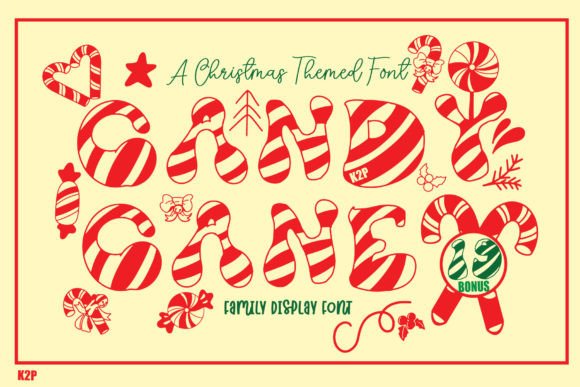
The Candy Cane font is inspired by the iconic striped confection associated with Christmas. Its design mimics the red-and-white candy cane stripes, creating a bold and eye-catching appearance. The letters are stylized with a hand-drawn aesthetic, giving them a sense of warmth and charm that feels both nostalgic and contemporary.
This font features exaggerated serifs and sweeping curves, making it ideal for festive headlines, logos, invitations, and other holiday-themed graphics. Unlike standard sans-serif or serif fonts, Candy Cane stands out due to its unique texture and rhythm. Each character appears as if it were dipped in sugar, making it perfect for projects where you want to evoke joy and celebration.
Visual Versatility and Readability
Despite its ornate style, Candy Cane maintains a surprising level of readability when used appropriately. While it may not be suitable for large blocks of text, it shines in short phrases, titles, and call-to-action buttons. The contrast between the red and white elements allows for flexibility in color schemes, enabling designers to match their brand colors or holiday palettes while still maintaining the font's signature look.
Additionally, Candy Cane supports a wide range of characters and symbols, including uppercase and lowercase letters, numbers, and punctuation. Some versions even include alternate glyphs or ligatures, allowing for greater customization and creativity in typography.
Practical Use Cases for Candy Cane Font
Designers across various industries have found creative ways to incorporate the Candy Cane font into their work. Here are some popular use cases:
- Christmas Marketing Campaigns: From holiday advertisements to social media posts, Candy Cane adds a fun and festive touch that resonates with audiences during the winter season.
- Event Invitations: Whether it's a holiday party or a themed event, using Candy Cane can immediately set a cheerful tone and capture attention.
- Branding and Packaging: Businesses selling seasonal products such as cookies, chocolates, or decorations often use Candy Cane to enhance their packaging and create a memorable brand identity.
- Web Design and Banners: The font works well as a headline on websites or banners promoting holiday sales, promotions, or events.
- Print Media and Posters: With its high-contrast visuals, Candy Cane is excellent for print materials like posters, flyers, and greeting cards where legibility from a distance is important.
Examples of Creative Applications
Many small businesses have successfully used Candy Cane to stand out in crowded markets. For example, a boutique bakery might use the font on their holiday cookie boxes to give customers an immediate sense of the festive flavor inside. Similarly, educators designing classroom decorations or holiday bulletin boards often choose Candy Cane to add a pop of visual interest and holiday spirit.
On digital platforms, Candy Cane can be used in email newsletters to highlight special offers or in YouTube thumbnails to attract viewers with a holiday theme. When combined with other complementary fonts—such as a clean sans-serif for body text—it balances aesthetics with functionality, ensuring messages are both attractive and easy to read.
Advantages of Using Candy Cane
Beyond its visual appeal, there are several practical advantages to using the Candy Cane font in your designs:
- Memorable Aesthetic: The font's distinctive look helps make your design more memorable, encouraging engagement and interaction.
- Emotional Connection: By evoking the imagery of a classic holiday symbol, Candy Cane can help build emotional connections with your audience, particularly during the Christmas season.
- High Visual Impact: Its bold and colorful nature ensures it grabs attention quickly, which is especially useful in competitive environments like social media or retail displays.
- Customization Options: Many designers appreciate the ability to tweak the font’s colors, stroke weights, and spacing to fit specific design needs without losing its core charm.
- Timeless Theme: Though it’s clearly tied to Christmas, the font has a timeless quality that allows it to remain relevant year after year.
These benefits make Candy Cane an excellent option for anyone looking to infuse their design with holiday cheer. It’s not just about looking festive; it’s about connecting with your audience through a shared cultural experience.
Considerations for Effective Use
While the Candy Cane font is visually striking, it's important to use it wisely. Overusing it can lead to cluttered designs that overwhelm the viewer rather than delight them. To maintain clarity and balance, consider pairing it with simpler fonts for supporting text.
Also, keep in mind the context of your design. If you're targeting a professional audience or working on something outside of the holiday season, the font may not be appropriate. However, within the right scope—like seasonal marketing, holiday branding, or festive web content—it can be incredibly effective.
Another key consideration is accessibility. Because Candy Cane is a decorative font, it may not render well on all devices or screen sizes. Always test your designs across different platforms to ensure they remain legible and visually appealing regardless of the viewing conditions.
Tips for Integrating Candy Cane into Your Projects
To get the most out of the Candy Cane font, follow these best practices:
- Use Sparingly: Reserve Candy Cane for headlines, logos, or short bursts of text. Too much can reduce its impact and confuse readers.
- Pair Thoughtfully: Choose a secondary font that complements Candy Cane’s playful style. A minimalist sans-serif or a warm script font can provide a nice contrast.
- Play with Color: Don’t limit yourself to traditional red and white. Try unexpected combinations like green and silver, gold and crimson, or even pastel shades to create a fresh take on the classic candy cane motif.
- Experiment with Layout: Use Candy Cane creatively in layouts by incorporating it into borders, icons, or background patterns. This can add visual depth without overpowering the main message.
- Optimize for Print and Digital: Ensure the font looks great both online and offline. For print, check resolution and ink coverage; for digital, verify compatibility and scalability.
Real-World Inspiration
Looking at how others have used Candy Cane can spark new ideas. For instance, many home décor brands feature the font in their holiday catalog covers or window displays. Online retailers also use it in promotional banners and countdown timers to build anticipation around Christmas shopping.
In educational settings, teachers have used Candy Cane in classroom activities, holiday newsletters, and student projects to make learning more engaging. Its fun and festive nature encourages students to participate and enjoy the creative process.
Independent creators and hobbyists often turn to Candy Cane for DIY holiday crafts, such as handmade cards, scrapbooking, and custom gift tags. The font adds a personal touch that mass-produced designs typically lack.
Why Candy Cane Stands Out Among Other Fonts
In the world of typography, there are countless options for holiday-themed fonts. But Candy Cane distinguishes itself through its unique blend of tradition and modernity. It doesn’t rely on clichéd Christmas symbols but instead uses a familiar icon—the candy cane—to convey the season's spirit in a fresh way.
Compared to more generic festive fonts, Candy Cane offers a stronger visual identity. It’s not just another Christmas font; it’s a design statement. Its versatility also sets it apart, as it can be adapted for a variety of purposes beyond just holiday greetings.
Moreover, Candy Cane aligns well with current design trends that favor expressive, thematic fonts. As users become more accustomed to seeing personalized and stylized typography in digital spaces, fonts like Candy Cane help brands and individuals stay ahead of the curve.
Long-Term Relevance and Seasonal Adaptation
Though Candy Cane is closely associated with Christmas, its design elements can be repurposed for other occasions. For example, it could be modified with different color schemes to suit New Year’s celebrations, Valentine’s Day, or even birthday parties. This adaptability ensures that the font remains useful beyond a single holiday season.
Some designers have even used Candy Cane in non-seasonal contexts, such as themed cafes or specialty stores that embrace a “holiday all year” vibe. These creative applications demonstrate the font’s potential to transcend traditional boundaries and become part of broader brand identities.
Technical Considerations and Licensing
Before downloading or using Candy Cane, it’s essential to understand its technical specifications and licensing terms. Like many decorative fonts, Candy Cane may come in multiple styles (e.g., regular, bold, italic) and formats (TTF, OTF). Check the font provider’s website for details on supported languages and platform compatibility.
Licensing is another critical factor. Depending on the source, Candy Cane may require a commercial license if you plan to use it in paid projects or public-facing content. Always review the terms carefully to avoid legal issues down the line.
For web developers, embedding Candy Cane via CSS requires attention to file hosting and performance. If you’re building a site that heavily relies on this font, consider using tools like Google Fonts or Adobe Fonts for reliable access and optimized loading speeds.
Where to Find and Download Candy Cane Font
Candy Cane is available on several reputable font marketplaces, including Fonts.com, MyFonts, and DaFont. These platforms offer previews so you can see how the font will look in your intended use before purchasing or downloading.
If you prefer free alternatives, search for similar festive fonts that mimic the candy cane style. However, always confirm the licensing terms to ensure they’re suitable for your project’s needs.
Conclusion
The Candy Cane font is more than just a holiday novelty—it's a powerful tool for designers who want to communicate joy, tradition, and creativity. Its unique visual style, paired with thoughtful application, can elevate your projects and leave a lasting impression on your audience. Whether you're designing for business, education, or personal enjoyment, Candy Cane offers a fresh approach to festive typography that’s both functional and fun.