Groovy Dog: A Strategic Font for Playful and Authentic Communication
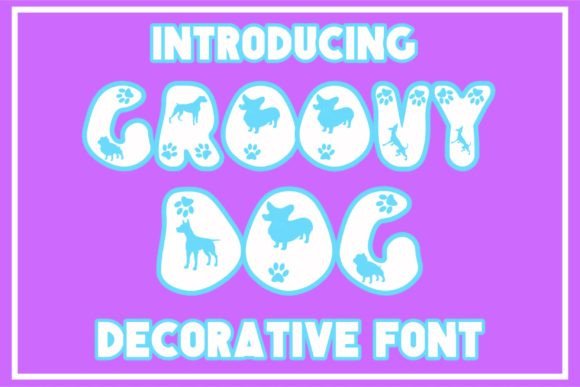
Typography is more than just the art of arranging letters—it’s a strategic tool that shapes perception, reinforces identity, and enhances communication. Among the many fonts available to designers, marketers, educators, and creators, Groovy Dog stands out as a bold, cool, and fun decorative typeface. Its unique character brings a sense of playfulness and authenticity that can be especially valuable in environments where creativity and engagement are key. Whether you’re designing materials for children, planning a school project, or building a brand with a youthful vibe, Groovy Dog offers a powerful visual statement when used intentionally.
Why Groovy Dog Matters in Modern Design
In today’s content-saturated world, standing out is not just an advantage—it’s a necessity. Fonts like Groovy Dog help differentiate your work by adding personality and emotion to text. This font, with its hand-drawn charm and vibrant curves, evokes warmth and spontaneity. It’s particularly effective in contexts where the audience expects joy, energy, and a break from the monotony of standard sans-serif or serif fonts.
Groovy Dog isn’t just about aesthetics; it’s about aligning typography with intent. When you choose a font, you’re making a decision about how your message will be received. Groovy Dog communicates approachability and enthusiasm, which can be incredibly useful in marketing campaigns targeting younger demographics or in educational settings that aim to inspire curiosity and participation.
Use Cases Where Groovy Dog Shines
- Children’s Activities: From coloring books to classroom posters, Groovy Dog adds a lively and engaging touch that appeals to kids and keeps them interested.
- Branding for Youth-Focused Businesses: If you're running a toy store, youth camp, or any service aimed at families and children, this font can help create a memorable and welcoming brand image.
- Creative Projects and School Work: Teachers and students often benefit from using visually stimulating fonts in presentations, flyers, and creative writing assignments.
- Marketing Materials: Use Groovy Dog in promotional items such as event banners, social media posts, or email headers to grab attention and inject positivity into your messaging.
Strategic Planning with Groovy Dog
Before incorporating Groovy Dog into your design strategy, consider its role within the broader context of your goals. This font works best when it supports a clear purpose rather than being used merely for novelty. Ask yourself these questions to determine if Groovy Dog fits your needs:
- Does my audience expect or appreciate a playful tone?
- Will this font enhance readability or distract from it?
- Is there a need for contrast with other fonts in the design?
- How does it align with the overall brand personality I want to convey?
For instance, if you’re launching a new line of children's toys, pairing Groovy Dog with a clean, modern sans-serif could create a dynamic yet legible layout. The decorative elements of Groovy Dog would catch attention, while the supporting font ensures clarity in product descriptions and pricing information.
Positioning and Branding Considerations
In branding, every detail contributes to the emotional connection between the audience and the product. Groovy Dog can be a great asset for brands that want to emphasize creativity, joy, or a return to basics. However, it should never overshadow the core message. Think of it as a stylistic accent rather than a primary communication tool.
Consider the following example: A local bakery aiming to reposition itself as a family-friendly destination might use Groovy Dog in their logo and menu headers. The font suggests a warm, home-cooked feel, which resonates well with parents and kids alike. But they would pair it with a simpler font for body text to maintain professionalism and ease of reading.
When to Use Groovy Dog—and When Not To
Groovy Dog is versatile, but its effectiveness depends on the situation. Here are some guidelines for optimal use:
- Use it in titles, headlines, and short phrases where visual impact is important.
- Use it for informal or seasonal content—think summer camps, birthday invitations, or holiday promotions.
- Avoid using it in long paragraphs or legal documents where readability and formality are paramount.
- Avoid using it in high-stakes business communications unless the brand voice explicitly calls for whimsy or lightheartedness.
The key is to understand the balance between creativity and clarity. Groovy Dog may look fantastic in a design mockup, but if it makes the text hard to read or doesn’t support the intended message, its value diminishes quickly. Always test it across different platforms and devices before finalizing a project.
Practical Examples of Effective Use
Here are a few real-world applications where Groovy Dog can make a meaningful difference:
- Classroom Projects: Educators can use Groovy Dog in headings for science fair displays or student-made book covers. The font encourages a sense of ownership and excitement among learners.
- Social Media Campaigns: For influencers or businesses targeting Gen Z and millennials, Groovy Dog can add a retro-cool edge to Instagram stories, TikTok overlays, or YouTube thumbnails.
- Merchandise and Packaging: On t-shirts, stickers, or packaging for handmade goods, this font can reflect a brand’s authenticity and DIY spirit.
- Event Signage: At community events, school fairs, or pop-up shops, signage featuring Groovy Dog can draw attention and create a cheerful atmosphere.
Enhancing Creativity and Productivity with Purposeful Typography
Fonts influence mood and behavior subtly. Groovy Dog, with its energetic and expressive style, can boost creativity and productivity in certain workflows. For example, when creating brainstorming templates or vision boards, using Groovy Dog for category headers can stimulate imagination and make the process more enjoyable.
Creators and entrepreneurs who prioritize user experience should also think about how Groovy Dog affects the flow of information. In a productivity app aimed at kids or teens, using this font for motivational quotes or task categories can make the interface feel more engaging without compromising functionality.
Learning Through Typography
In educational settings, the right font can support learning outcomes. Groovy Dog is especially useful in early childhood education, where visual appeal plays a significant role in capturing attention. For instance, vocabulary flashcards or interactive storybooks become more inviting when styled with this font.
However, it’s crucial to remember that Groovy Dog should complement—not replace—the learning material. While it can make a concept more appealing, overuse could lead to visual clutter and reduce the effectiveness of the educational content. Striking the right balance is essential for delivering both aesthetic and functional value.
Risks of Using Groovy Dog Without Strategy
Despite its strengths, Groovy Dog carries risks if applied carelessly. One common mistake is using it in inappropriate contexts, such as formal reports or professional emails. The font’s casual nature can undermine the seriousness of the message, leading to misinterpretation or a loss of credibility.
Another pitfall is overusing Groovy Dog in designs. Just because a font is playful doesn’t mean it should dominate every element. Overdesigning can confuse users, dilute your message, and even frustrate those who need quick access to information. Always consider the hierarchy of your design and ensure that Groovy Dog serves a specific purpose within it.
Decision-Making Guidance for Intentional Use
To use Groovy Dog effectively, follow these strategic steps:
- Define Your Goal: What do you want to achieve with your design? Is it to entertain, inform, or persuade?
- Understand Your Audience: Will they respond positively to a bold and playful font? Consider age, preferences, and cultural context.
- Test Readability: Print samples or preview digital layouts to see if the font remains legible under various conditions.
- Establish Hierarchy: Use Groovy Dog sparingly and only for elements that need emphasis, such as headlines or call-to-action buttons.
- Align With Brand Voice: Ensure the font reflects the tone and values of your brand or project consistently.
By approaching Groovy Dog with intention, you avoid falling into the trap of using it for the sake of being trendy. Instead, you leverage its unique qualities to enhance your communication strategy and deliver better results.
Long-Term Value and Operational Integration
While Groovy Dog is a decorative font, its strategic application can contribute to long-term success. In customer experience design, for example, consistent use of the font across branded materials helps build recognition and loyalty. Parents attending a children’s workshop might associate the font with quality, creativity, and fun—elements that encourage repeat visits and word-of-mouth referrals.
Freelancers and small business owners can integrate Groovy Dog into their operational toolkit by using it in templates for client proposals, social media assets, or internal memos with a creative team. This allows for faster production of visually aligned content, reducing time spent on revisions and ensuring a cohesive brand presence.
Measuring Impact and Adjusting Use
Once Groovy Dog is part of your design system, monitor how it performs. Collect feedback from your audience or analyze engagement metrics to see if it’s contributing to your goals. If it’s increasing interaction or improving recall, you’ve made a smart choice. If not, adjust your strategy accordingly.
Remember, the goal of typography is to serve the message—not the other way around. Groovy Dog is most valuable when it enhances the communication rather than complicating it.
Final Thoughts on Strategic Typography
Groovy Dog is more than just a quirky font; it’s a design element that can elevate your projects when used thoughtfully. By aligning its playful spirit with your strategic objectives, you can create visuals that resonate emotionally and functionally. Whether you’re an educator, marketer, or entrepreneur, understanding how and when to deploy Groovy Dog can help you stand out in a competitive landscape while maintaining clarity and purpose.
Always ask yourself: Does Groovy Dog help me communicate more effectively? Does it support the goals of this project? And does it feel authentic to the audience I’m trying to reach? These questions will guide you toward intentional design choices that yield lasting value.