How to Use Happy Holly in Your Creative and Professional Workflows
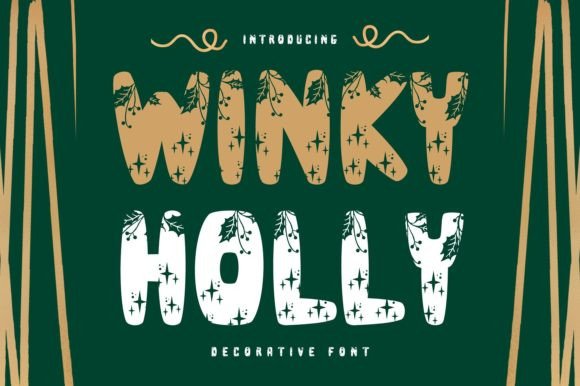
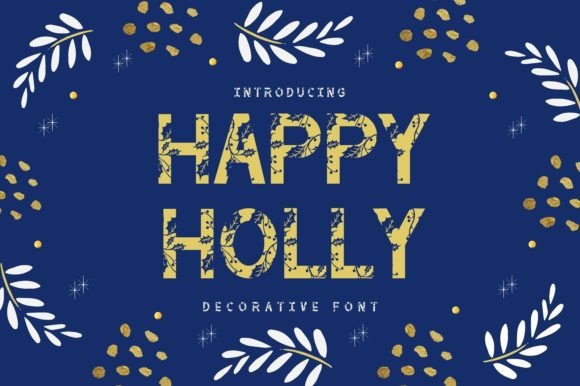
When it comes to adding a festive touch to your designs, the right font can make all the difference. Happy Holly, a cute Christmas decorative font, is an excellent choice for anyone looking to infuse their projects with playfulness and authenticity. Whether you're creating a holiday greeting card, designing a seasonal logo, or updating your blog with winter content, this font offers a warm and inviting aesthetic that aligns perfectly with the spirit of the season.
Understanding the Role of Happy Holly in Design
Fonts are more than just text—they're visual elements that communicate tone, emotion, and brand identity. Happy Holly stands out due to its whimsical style and clean, readable structure when used appropriately. It’s not just another holiday font; it's a versatile tool that can be integrated into various stages of a project lifecycle.
This font works best as a supplementary element rather than the primary text font. Its charm lies in its decorative nature, which makes it ideal for headers, titles, accents, and short bursts of text where impact matters most. For example, it could be used to highlight key phrases on a product packaging design or to create eye-catching social media graphics during the holiday season.
Before You Start: Planning and Preparation
Before incorporating Happy Holly into your work, it’s important to consider how it fits within your overall design strategy. Begin by outlining the purpose of your project. Are you aiming to evoke warmth and joy? Is the design meant for print or digital use? These questions will guide your font selection and help ensure consistency across your materials.
Next, evaluate compatibility. Make sure the font supports the languages and characters needed for your specific project. While many decorative fonts have limitations, Happy Holly is designed with broad character support in mind, making it suitable for international branding efforts or multilingual marketing campaigns.
- Define the emotional tone you want to convey.
- Check technical specifications like file format and licensing.
- Consider pairing it with a complementary sans-serif or serif font for body text.
During the Design Process: Integration and Execution
Once you’ve decided to use Happy Holly, the next step is integrating it into your workflow. Here are some practical tips to help you make the most of it:
- Start with mockups: Use Happy Holly in early drafts to get a sense of how it looks in context. This helps you decide if it complements the rest of your design elements before finalizing anything.
- Layer it wisely: Pair Happy Holly with other textures or colors to enhance its visual appeal without overwhelming the viewer. A soft red or green background often brings out its festive qualities beautifully.
- Use sparingly: Because it's a decorative font, overusing it can lead to cluttered designs. Apply it to headlines, logos, or call-to-action buttons to maintain readability and focus.
For digital marketers and small business owners, Happy Holly can be especially effective in seasonal promotions. Adding it to email subject lines or landing page headers can increase engagement by standing out visually and emotionally. Educators might use it in classroom decorations or holiday-themed assignments to keep students engaged during the winter months.
If you're using design software like Adobe Photoshop, Illustrator, or Canva, importing Happy Holly is straightforward. Most platforms allow direct font uploads or access through Google Fonts or Adobe Fonts. Once installed, you can adjust spacing, size, and color to match your brand guidelines or project requirements.
Collaboration and Feedback
In collaborative environments—such as team-based marketing campaigns or creative agency settings—it’s crucial to share your font choices with stakeholders. Provide a sample document or presentation showing how Happy Holly appears alongside other design elements. This helps everyone understand the visual direction and ensures alignment with the brand voice.
Encourage feedback from colleagues or clients early in the process. They may offer insights into how the font resonates with your target audience or suggest alternative uses that you hadn’t considered. Open communication leads to better outcomes and a smoother implementation phase.
After Implementation: Maintenance and Long-Term Use
After using Happy Holly in your designs, maintaining a consistent look becomes essential. If you're working on a series of related projects—like holiday ads, cards, and posters—keep the font usage uniform across all materials to reinforce brand recognition.
Organize your assets properly. Save files with clear naming conventions so that others on your team (or even future versions of yourself) can easily locate and reuse the font. Consider embedding the font in your final deliverables if you’re distributing them online, ensuring that recipients see exactly what you intended.
Review your completed projects after they've been released. Monitor user reactions and performance metrics—especially if you're using Happy Holly in marketing or advertising. This data can inform whether the font helped achieve your goals and whether it should be reused in similar contexts in the future.
Use Cases Across Industries
Holiday-themed branding isn't limited to retail alone. Bloggers and content creators can use Happy Holly in post titles or sidebar widgets to add seasonal flair without sacrificing usability. Freelancers might include it in client proposals or invoices for a personalized touch that reflects attention to detail and creativity.
Photographers and event planners can also benefit from this font. When designing photo album covers or party invitations, Happy Holly adds a cheerful and professional feel that appeals to both adults and children. The same goes for educators crafting holiday bulletin boards or activity sheets—this font can make learning feel more engaging and joyful.
Practical Workflow Examples
Let’s explore a few real-world workflows where Happy Holly shines:
- Logo Design: Combine Happy Holly with a minimalist layout to create a holiday-specific logo that still maintains a modern edge. Use it for taglines or seasonal variations of existing logos.
- Social Media Campaigns: Add it to Instagram carousels, Facebook posts, or Twitter banners to catch attention and promote a festive theme. Ensure it aligns with your brand’s visual language.
- Print Projects: Use Happy Holly for gift tags, wrapping paper designs, or holiday catalogs. Test different sizes and weights to find the optimal look for each medium.
Another example involves a productivity-minded creator who wants to build a holiday planner or calendar. By using Happy Holly for section headings or motivational quotes, the design feels both functional and fun. This balance is key for users who want tools that inspire action while remaining aesthetically pleasing.
Quality Control and Consistency
As with any font, consistency is vital. Define rules for when and how to use Happy Holly in your style guide. This includes line height, kerning, and recommended colors. Quality control steps like proofreading and visual checks should always be part of your review process to avoid typographical errors or mismatched styles.
Also, remember to test the font across different devices and screen sizes. What looks great on a desktop might appear too small or distorted on mobile. Always preview your work in multiple formats to ensure the font performs well wherever it's displayed.
Why Choose Happy Holly?
There are countless Christmas fonts available, but Happy Holly distinguishes itself through its unique blend of cuteness and professionalism. Unlike overly ornate or difficult-to-read options, it balances charm with clarity, making it suitable for both personal and commercial applications.
Its versatility means it can adapt to a wide range of styles and purposes. Want something bold and bright for a sale announcement? Go for it. Need a subtle accent for a holiday newsletter? That works too. This adaptability is why professionals in graphic design, marketing, and education choose it year after year.
Beyond aesthetics, Happy Holly also contributes to brand storytelling. During the holidays, consumers seek comfort, nostalgia, and celebration. Using a font that evokes these emotions can strengthen the connection between your brand and your audience, especially when paired with thoughtful copywriting and imagery.
Long-Term Benefits and Reusability
While Happy Holly is primarily associated with Christmas, it can also be repurposed creatively throughout the year. For instance, it pairs well with New Year’s Eve themes or winter sports events. With slight modifications in color and context, it remains relevant beyond December.
Freelancers and entrepreneurs should think about building a library of seasonal fonts like Happy Holly. This allows for quick updates to existing templates or materials when the occasion arises, saving time and effort while keeping your brand fresh and timely.
Final Thoughts on Font Selection
Selecting the right font is part of the broader planning and execution process. Happy Holly serves as a valuable asset in the toolkit of designers, marketers, and content creators who want to connect with audiences during the holiday season. Its role extends beyond decoration—it enhances user experience, reinforces brand messaging, and contributes to a cohesive visual identity.
By understanding how and when to use Happy Holly, you can elevate your projects without compromising functionality. The key is to treat it as a strategic design choice rather than a random addition. Done correctly, it can bring joy to your work and your audience alike.