Leaf Wreath Embroidery Design: A Practical Evaluation for Home Decor and Textile Projects
In the realm of machine embroidery, few motifs possess the timeless versatility of the leaf wreath. This specific design, characterized by its organic curves and symmetrical balance, has emerged as a staple for both amateur crafters and professional textile designers. The appeal lies not merely in its aesthetic simplicity but in its remarkable adaptability across various fabric types and project scales. When evaluating digital embroidery assets, professionals look for precision, file compatibility, and structural integrity—qualities that define the value proposition of this particular leaf wreath pattern.
This analysis explores the practical applications, technical specifications, and strategic advantages of incorporating this beautiful embroidery of a leaf wreath into your workflow. Whether you are looking to enhance household textiles or create sellable goods for an online marketplace, understanding the nuances of this design is essential for achieving consistent, high-quality results.
Defining the Design and Its Core Characteristics
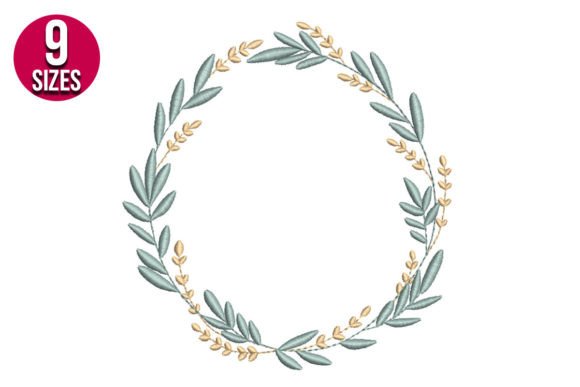
At its core, the Leaf Wreath is a circular or semi-circular arrangement of foliage, typically featuring overlapping leaves that create a sense of depth and movement. Unlike rigid geometric patterns, the organic nature of this design allows it to soften the appearance of functional items while adding a touch of elegance. The beauty of this embroidery stems from its ability to stitch out cleanly on a variety of surfaces, maintaining clarity even when scaled down or up.
The design’s strength lies in its balanced density. For those unfamiliar with the technical side of embroidery, "density" refers to the amount of thread used per square inch. A well-constructed leaf wreath avoids excessive stitching that can lead to fabric puckering or needle breakage, yet it provides enough coverage to hide the base fabric effectively. This balance makes it suitable for delicate materials like linen tablecloths and more robust fabrics like cotton bedsheets.
Versatility Across Textile Applications
One of the most compelling arguments for using this leaf wreath design is its cross-category applicability. It is not confined to a single type of product. Instead, it serves as a modular element that can be integrated into diverse home decor categories:
- Table Linens: Centerpieces on tablecloths or border designs on napkins benefit from the wreath’s circular symmetry, which draws the eye inward without overwhelming the dining surface.
- Bedding: On decorative pillows or duvet covers, the design adds a subtle texture that complements rather than competes with other room elements.
- Kitchen Textiles: Towels and aprons often suffer from overly busy prints; a clean leaf wreath offers a sophisticated alternative that aligns with modern farmhouse or minimalist aesthetics.
- Accessories: Small-scale applications on tote bags or pouches demonstrate the design’s scalability, proving that it remains legible even at reduced sizes.
This flexibility reduces the need for creators to purchase multiple distinct designs to achieve a cohesive look across different product lines. By mastering one high-quality motif, users can maintain brand consistency across their entire inventory.
Technical Compatibility and File Formats
A significant barrier to entry in machine embroidery is often software incompatibility. Many hobbyists find themselves unable to use purchased designs because their machine does not support the proprietary format provided. The Leaf Wreath design addresses this common pain point by including multiple embroidery file formats. This multi-format approach ensures that whether you are using a Brother, Janome, Singer, Bernina, or Husqvarna Viking machine, you will likely find a compatible file within the package.
For professionals and serious hobbyists, this feature is critical. It eliminates the time-consuming and risky process of converting files, which can sometimes alter stitch paths or reduce design quality. Having native support for common formats such as .pes, .dst, .xxx, and .jef means immediate usability. This readiness-to-stitch capability enhances productivity, allowing creators to move from concept to finished product with minimal friction.
Furthermore, the inclusion of these formats suggests that the designer has considered the ecosystem of their users. In an industry where machine brands frequently update their software and hardware, broad compatibility is a marker of thoughtful product development. It signals reliability and long-term utility, ensuring that the investment in the design file remains valid regardless of future equipment changes.
Evaluating Quality, Consistency, and Long-Term Value
When assessing any digital creative asset, consistency is paramount. A design that looks excellent on screen may fail during execution if the underlay stitches are poorly placed or if the tension settings are not optimized for the intended fabric weight. The Leaf Wreath design has been engineered to perform reliably across different material weights, from light muslin to heavier canvas.
Stitch Precision: The individual leaf shapes are defined with clear edges, preventing the "mushy" appearance that plagues low-resolution digitizing. This precision is particularly important when working with darker threads on lighter fabrics, where contrast is key to visibility.
Underlay Stability: Effective underlay stitches anchor the design to the fabric before the decorative top stitches are applied. This prevents shifting and distortion, especially on stretchy knits or slippery satins. Users have reported fewer issues with registration errors when using this design compared to generic, mass-produced alternatives.
Longevity of Use: From a business perspective, the value of a design is measured by its lifespan. Trends in home decor shift, but natural motifs like leaves remain perennially popular. This enduring relevance means that a single purchase can serve a user for years, generating return on investment through repeated use in new projects. Unlike seasonal designs that may become obsolete, the leaf wreath maintains its appeal, making it a safe bet for inventory planning.
Strategic Benefits for Creators and Small Business Owners
For entrepreneurs and freelancers in the handmade goods space, efficiency is directly tied to profitability. The Leaf Wreath design supports a streamlined production workflow. Because it requires minimal customization to look professional, users can focus on marketing and customer acquisition rather than spending hours troubleshooting stitch errors.
Brand Cohesion: Small businesses thrive on recognizable aesthetics. Using a signature element like a leaf wreath across all products—from tags to packaging to the products themselves—creates a unified brand identity. Customers associate the clean, organic lines with quality and care, enhancing perceived value.
Scalability: The design’s ability to scale without losing detail allows for price differentiation. A small embroidered logo on a premium towel commands a higher price point than a large, complex print. Conversely, a larger wreath on a bedspread justifies a higher retail cost due to the increased thread usage and machine time. This range gives sellers flexibility in pricing strategies.
Potential Limitations and Considerations
No design is perfect for every scenario. While the Leaf Wreath is versatile, there are contexts where it may not be the optimal choice. For highly structured, corporate, or industrial-themed projects, the organic nature of the leaves might feel too casual. Additionally, on very thick fabrics like denim, the design may require additional stabilizer layers to prevent sinking, which adds to material costs and labor time.
Users should also consider the color palette of their threads. The design relies on contrast to define the leaf shapes. Using monochromatic threads (e.g., green leaves on a green background) may obscure the intricate details unless a different stitch technique, such as satin stitch vs. fill stitch, is employed. Therefore, careful selection of thread colors is necessary to maximize the design’s visual impact.
Who Should Invest in This Design?
The Leaf Wreath embroidery design is best suited for individuals who value versatility and technical reliability. It is ideal for:
- Home Decor Enthusiasts: Those who enjoy updating their living spaces seasonally will appreciate the ease of switching between neutral and vibrant thread colors.
- E-commerce Sellers: Etsy shop owners and boutique retailers can leverage the design’s broad appeal to attract a wide demographic.
- Interior Stylists: Professionals creating custom textile accents for clients will find the multi-format support and high stitch quality essential for meeting client expectations.
Conversely, those seeking highly abstract or avant-garde artistic statements might find the traditional wreath structure too conventional. However, for the majority of users focused on creating beautiful, functional, and marketable home goods, this design represents a solid addition to their digital library.
Final Thoughts on Practical Utility
The true measure of an embroidery design is not just how it looks in isolation, but how it performs in the hands of the user. The Leaf Wreath stands out for its seamless integration into daily workflows. Its multi-format availability removes technical barriers, while its aesthetic neutrality allows it to complement rather than dominate any project. For anyone engaged in textile creation, whether as a serious hobbyist or a commercial enterprise, this design offers a reliable, elegant solution that balances artistic appeal with practical functionality. It is a tool that respects the creator’s time and skill, delivering consistent results that enhance the final product’s value.