Lobelia: A Romantic and Refined Decorative Font for Creative Projects
When it comes to choosing the right font for a design project, especially one that requires a touch of elegance or charm, the decision can significantly influence the final outcome. Lobelia is a decorative typeface that stands out in this regard. Designed with beauty and versatility in mind, it offers a unique aesthetic that blends well with both digital and print media. Its romantic curves and ornate details make it ideal for projects where visual appeal plays a central role. Whether you're designing wedding invitations, branding materials for a boutique, or packaging for handmade products, Lobelia brings an artistic flair that elevates the overall presentation.
Key Characteristics of Lobelia
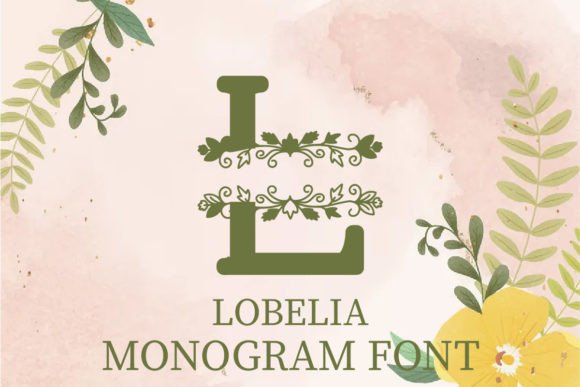
Lobelia is a hand-drawn floral font, which gives it a natural, organic feel. Each character is carefully crafted with delicate embellishments that mimic the intricate patterns found in nature—particularly in flowers. This attention to detail makes it visually rich but also slightly more complex than standard fonts. The letterforms are fluid and soft, often featuring ligatures and flourishes that add a sense of movement and grace.
The font supports a wide range of glyphs, including uppercase and lowercase letters, numbers, punctuation, and special characters. Many versions of Lobelia also come with alternate styles and swashes, allowing users to customize the look further. These variations provide flexibility while maintaining the font's signature style, making it suitable for a variety of applications without feeling repetitive or overused.
Purpose and Practical Value
Decorative fonts like Lobelia serve a specific purpose in the design world—they enhance visual storytelling by adding emotional weight and stylistic nuance. In practical terms, this means they’re best used sparingly and in contexts where the message isn’t the only focus. Lobelia shines in designs that prioritize atmosphere, such as event invitations, fashion labels, greeting cards, and branding for lifestyle businesses.
Its floral motifs make it particularly fitting for industries like weddings, cosmetics, floral arrangements, and wellness. For instance, using Lobelia in a logo for a flower shop immediately communicates the brand’s identity through typography alone. It doesn’t just look good; it tells a story about what the business represents. That kind of integration between design and meaning is rare and valuable.
Quality and Consistency
One of the standout qualities of Lobelia is its craftsmanship. Each glyph feels intentional, with no obvious shortcuts taken in the design process. The consistency across characters ensures that even though the font has many decorative elements, it remains legible and functional within its intended scope. However, because of its stylized nature, it may not be appropriate for body text or long passages of information.
From a usability standpoint, Lobelia performs well when used in short phrases or headings. The spacing and kerning have been thoughtfully adjusted to maintain readability despite the ornate features. Designers who use it should consider pairing it with simpler, clean sans-serif or serif fonts to balance the layout and avoid overwhelming the viewer.
Flexibility and Customization Options
Lobelia is available in multiple formats, typically including TrueType (TTF) and OpenType (OTF), which ensures compatibility with most design software. Some versions offer additional stylistic sets, alternate characters, and multilingual support, enhancing its adaptability for international audiences or niche markets. This level of customization is a significant plus for designers looking to tailor their work to specific themes or languages.
For example, if you're creating custom jewelry tags or embroidered patches for a boutique line of accessories, having access to different weights or swash variants of Lobelia allows for greater creative control. You can choose how much of the floral detail appears in each piece, depending on the size and medium. This adaptability ensures the font remains effective whether it’s displayed prominently on a banner or subtly integrated into a product label.
Real-World Applications and Performance
In real-world scenarios, Lobelia proves to be highly effective when used correctly. One common application is in print-based invitations. Here, the font helps set a tone of sophistication and romance, aligning perfectly with the event’s theme. Another area where it excels is in packaging design, especially for items targeting a feminine or artisanal market. When printed on high-quality paper or cardstock, the ornate details become even more pronounced, adding depth and texture to the design.
On digital platforms, Lobelia works well for headers and call-to-action buttons. It adds personality without sacrificing clarity, provided the contrast and background are chosen wisely. For web designers, it’s important to note that performance might vary depending on how the font is embedded. Using a condensed version or limiting the number of glyphs loaded can help improve page load times while still preserving the font’s essence.
Who Can Benefit Most from Lobelia?
Lobelia is best suited for individuals and businesses involved in creative fields where aesthetics play a crucial role. Entrepreneurs launching a new fashion line, small business owners in the beauty or wellness sector, and event planners designing bespoke invitations will find this font particularly useful. Educators and publishers working on children’s books or illustrated guides may also appreciate its whimsical nature.
Freelancers and independent creators who rely on strong visual branding can leverage Lobelia to differentiate their work. Bloggers focusing on lifestyle, home décor, or personal development might use it in titles or featured quotes to create a more engaging and inviting interface. Marketers targeting luxury or artisanal brands can incorporate it into promotional materials to evoke a sense of exclusivity and artistry.
Professional Observations and Recommendations
As someone who regularly evaluates fonts for design effectiveness, I’ve noticed that Lobelia holds up well under scrutiny. It’s not just about looking pretty—it’s about making an impact. The font’s ability to convey emotion and style without being overly fussy is commendable. That said, there are limitations to consider.
Because of its decorative nature, Lobelia is not recommended for long paragraphs or data-heavy documents. It’s at its best when used as an accent or headline. Additionally, the font may require some manual tweaking in certain design tools to ensure optimal alignment and spacing, especially when mixing with other typefaces.
My recommendation is to pair Lobelia with a minimalist sans-serif font for maximum contrast and clarity. This combination allows the designer to highlight key messages while maintaining a cohesive and professional appearance. Always test the font in context before finalizing a design, particularly if it includes photography or illustrations, as color and texture can affect how the type is perceived.
Limitations and Considerations
While Lobelia is undeniably beautiful, it’s not without its drawbacks. First, due to its ornate structure, it may not be accessible for all audiences. Users with visual impairments or those accessing content via screen readers might struggle with the font’s complexity. Second, its suitability is somewhat limited to specific niches and shouldn’t be overused in general-purpose design projects.
Another consideration is licensing. Like many decorative fonts, Lobelia may have restrictions on commercial use depending on the source. Designers should always verify the font’s license agreement before incorporating it into paid projects or large-scale marketing campaigns. Fortunately, many reputable platforms offer clear licensing options, making it easier to use responsibly.
Long-Term Value and Reliability
Fonts like Lobelia offer long-term value when they remain relevant across trends and applications. While it’s inherently stylish, the font has a timeless quality that avoids becoming too trendy. Its floral elements are classic rather than novelty, which means it can be used for years without feeling outdated.
Reliability is another factor to consider. High-quality font files from trusted sources ensure consistent rendering across devices and platforms. This is essential for professionals who need to deliver polished, error-free designs. Lobelia, when sourced from a credible provider, tends to perform reliably and meet these expectations.
Final Thoughts and Use Cases
There are several situations where Lobelia could be the perfect choice:
- Wedding Invitations: The romantic feel of Lobelia complements traditional and modern wedding themes alike.
- Logo Design: Especially for lifestyle, beauty, or floral-related businesses, it helps establish a memorable brand identity.
- Product Packaging: Handcrafted or luxury goods benefit from the font’s elegant and eye-catching style.
- Illustrated Book Titles: Children’s literature or poetry collections can gain a whimsical yet sophisticated edge with this font.
- Digital Headers and Social Media Graphics: When used in moderation, it can enhance visual appeal without compromising legibility.
Ultimately, the decision to use Lobelia depends on the project’s goals and audience. If your aim is to create something memorable and visually appealing, it’s worth considering. But if you need a font for broad accessibility or dense text, it’s better to explore alternatives. As with any design tool, understanding its strengths and weaknesses allows for more strategic and impactful use.
In my experience, Lobelia is one of those fonts that elevate a design beyond the ordinary. It’s not just a decorative element—it becomes part of the narrative. When applied thoughtfully, it can turn a simple graphic into a compelling visual statement. That’s the mark of a truly useful font: it enhances the message rather than obscures it.