Spider Web: The Spooky Font for Creative Branding and Design
When it comes to visual communication, typography does more than just convey text; it sets the tone, evokes emotion, and establishes a brand’s personality before a single word is read. In the niche world of thematic design, few typefaces capture attention quite like Spider Web. This fun and spooky decorative font has carved out a distinct space in the creative industry, serving as an essential tool for designers, marketers, and hobbyists alike who need to inject a sense of mystery, playfulness, or eerie charm into their projects.
Whether you are designing a logo for a local haunted house attraction, crafting social media graphics for a seasonal campaign, or simply looking to add a unique flair to your DIY party invitations, Spider Web offers a versatile solution. It bridges the gap between legibility and artistic expression, making it a valuable asset for anyone working in digital or print media during the autumn months or beyond.
Understanding the Aesthetic of Spider Web
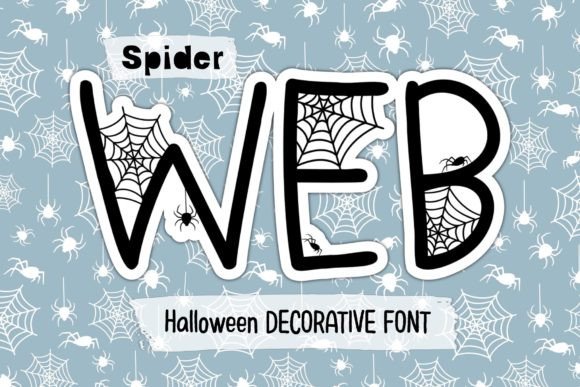
At its core, Spider Web is a display typeface characterized by its intricate, web-like structures that intertwine with traditional letterforms. Unlike standard serif or sans-serif fonts that prioritize clean lines and uniform spacing, Spider Web embraces irregularity and texture. The letters appear as if they have been woven from silk or drawn with a trembling hand, creating a visual rhythm that mimics the organic chaos of nature.
The strength of this font lies in its ability to communicate mood instantly. When a viewer sees Spider Web, they immediately associate the text with themes of Halloween, horror, fantasy, or mystery. However, its appeal extends beyond mere scare tactics. The delicate yet complex lines of the characters can also suggest elegance, intricacy, or even a vintage, gothic aesthetic. This duality makes it suitable for a wide range of applications, from light-hearted festive decorations to more serious, atmospheric branding.
Key characteristics include:
- Intricate Detailing: The fine lines and cross-hatching create a textured look that stands out in both large headlines and smaller accent text.
- Thematic Versatility: While inherently spooky, the font can be adapted for fantasy, steampunk, or artisanal craft themes depending on how it is styled.
- High Visual Impact: Its unique structure ensures that content grabs attention quickly, which is crucial in crowded digital feeds or busy physical environments.
Practical Applications Across Industries
One of the most significant advantages of using Spider Web is its adaptability across various professional and personal domains. Let’s explore how different groups can leverage this typeface to enhance their output.
Branding and Logo Design
For entrepreneurs and business owners, standing out in a saturated market is paramount. A well-chosen font can serve as the cornerstone of a brand identity. Spider Web is particularly effective for businesses operating in the entertainment, hospitality, or seasonal retail sectors. Imagine a boutique hotel offering a "Haunted Stay" package, or a café introducing a special pumpkin spice menu with a dark twist. Using Spider Web in their logos or signage creates an immersive experience that aligns perfectly with the theme.
Moreover, it works exceptionally well for freelance creatives such as illustrators, photographers, and makeup artists who specialize in special effects (SFX) or theatrical work. Incorporating Spider Web into their portfolio websites or business cards signals their specialization immediately, attracting the right clientele without needing extensive explanation.
Social Media and Digital Marketing
In the fast-paced world of social media, engagement is driven by visual novelty. Marketers and bloggers often struggle to break through the noise, especially when content volume is high. Spider Web provides a quick way to differentiate posts. During October, brands can use this font for countdown graphics, event announcements, or promotional banners related to Halloween sales.
However, its utility isn't limited to the fall season. Fantasy book publishers might use it for chapter headers or cover art teasers. Gaming communities can employ it for tournament brackets or lore-heavy announcements. The key is to use it sparingly as a display element rather than for body text, ensuring that the message remains clear while the aesthetic adds depth.
Crafty DIY Projects and Personal Use
For hobbyists and educators, Spider Web opens up a world of creative possibilities. Parents planning a child’s birthday party can use it to create custom banners, cupcake toppers, or name tags that fit a spider-themed celebration. Educators teaching literature or history might find it useful for creating engaging worksheets or posters about Gothic literature, arachnids, or medieval folklore.
DIY enthusiasts working with vinyl cutters, laser engravers, or 3D printers will appreciate how well vector-based versions of Spider Web translate into physical materials. The intricate details hold up well on wood, acrylic, or fabric, allowing for high-quality finished products that look professionally made.
Considerations for Effective Implementation
While Spider Web is a powerful tool, it requires thoughtful application to ensure effectiveness. Because of its decorative nature, it is not suited for long passages of text. Attempting to read paragraphs set in Spider Web can cause eye strain and reduce comprehension. Instead, reserve it for headlines, titles, quotes, and short labels.
Another critical consideration is contrast. Since the font features thin, web-like lines, it can get lost against busy backgrounds or low-contrast colors. To maximize readability, pair Spider Web with solid, dark backgrounds or use bold, contrasting colors. For example, white or bright orange text on a black background creates a striking, high-visibility effect.
Additionally, consider the pairing of fonts. Spider Web works best when combined with simple, clean sans-serif or serif fonts for supporting text. This combination balances the ornate nature of the display font with the clarity needed for informational content. Avoid pairing it with other decorative fonts, as this can create visual clutter and confuse the viewer.
Why Spider Web Adds Value to Your Projects
Ultimately, the value of Spider Web lies in its ability to enhance user experience through emotional connection. By selecting a font that resonates with the intended theme, you create a cohesive narrative that engages your audience on a deeper level. Whether you are aiming to entertain, inform, or persuade, the right typographic choice can amplify your message.
For professionals, using Spider Web demonstrates an understanding of design principles and thematic consistency. It shows that you care about the details that make a project memorable. For creators, it offers a way to express individuality and style. And for businesses, it provides a cost-effective way to refresh branding for seasonal campaigns without overhauling entire marketing strategies.
In conclusion, Spider Web is more than just a spooky font; it is a strategic design element that brings character and context to your work. By understanding its strengths and applying it thoughtfully, you can elevate your projects from ordinary to extraordinary. So, the next time you are brainstorming ideas for a themed event, a seasonal promotion, or a creative portfolio, remember the power of Spider Web to weave magic into your designs.