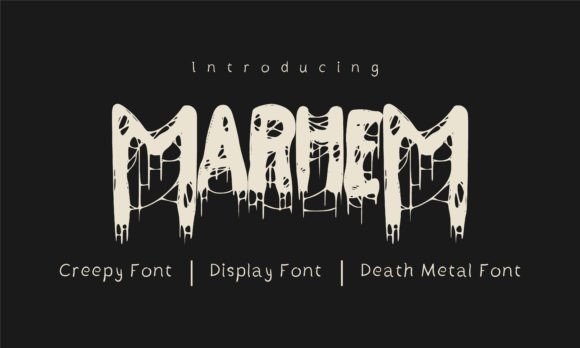
Strategic Use of Marhem: Elevating Horror Branding and Creative Projects
Marhem is more than just a design element—it’s a powerful aesthetic that taps into the emotional core of horror, fear, and the macabre. Whether you're launching a Halloween-themed campaign, designing a death metal band logo, or creating merchandise for a niche audience, Marhem can serve as a strategic tool to amplify your message and connect with your target demographic on a deeper level.
Understanding the Value of Marhem in Design
Marhem represents a visual language rooted in darkness, mystery, and intensity. It combines eerie symbolism, bold typography, and unsettling imagery to create an atmosphere that resonates with fans of horror, goth culture, and extreme music genres like death metal. This unique style isn't just about aesthetics; it's about intentionality. When used correctly, Marhem can enhance brand identity, evoke strong emotional responses, and differentiate your project from the competition.
For entrepreneurs and creators, leveraging Marhem means tapping into a rich cultural context that many overlook. The design elements associated with this theme—such as blood-red hues, skeletal motifs, haunted landscapes, and cryptic symbols—can be tailored to suit various purposes while maintaining their thematic integrity. The key is to understand how these components contribute to storytelling and audience engagement.
Why Marhem Works for Horror-Related Projects
- Emotional Resonance: Horror thrives on evoking fear and fascination. Marhem helps translate these emotions into tangible visuals that audiences can relate to.
- Brand Differentiation: In crowded markets like Halloween merchandise or underground music, Marhem offers a distinctive look that stands out without shouting.
- Community Connection: Fans of horror, death metal, and related subcultures often have strong preferences for specific visual styles. Marhem aligns naturally with these tastes, fostering loyalty and recognition.
- Creative Depth: The complexity of Marhem allows for layered designs that can evolve over time, supporting long-term branding strategies and content planning.
How to Strategically Integrate Marhem Into Your Project
Thoughtful integration of Marhem requires more than simply slapping skulls onto a logo or using black and red color schemes. To maximize its effectiveness, consider how it supports your broader goals and positioning within the market. Here are several ways to use Marhem strategically:
Aligning With Audience Expectations
If your project is targeting fans of horror or death metal, they likely expect certain visual cues. Marhem provides a framework that meets those expectations while allowing room for innovation. For example, a Halloween product line featuring Marhem-inspired packaging will immediately signal to customers that the items inside are not for the faint of heart.
Supporting Narrative and Identity
Marhem can become part of your brand narrative. Imagine a death metal band named "Carrion Throne" using Marhem in their album art and stage design. The visual consistency reinforces the band’s identity and makes their creative output feel cohesive and immersive. This kind of alignment strengthens audience perception and builds trust in the brand’s authenticity.
Enhancing Communication and Messaging
Visual communication is crucial in marketing. A well-designed Marhem logo or promotional image can convey complex ideas quickly—like dread, rebellion, or transformation. These images can be used across platforms (social media, websites, print materials) to maintain a consistent tone and reinforce messaging without relying solely on text.
Boosting Creativity and Productivity
Marhem can inspire creativity by offering a clear visual direction. For designers working under tight deadlines, having a defined style guide based on Marhem elements can streamline the creative process. Instead of starting from scratch, you can build upon existing themes, symbols, and color palettes that resonate with your audience and reflect your brand’s voice.
Planning for Purpose: When and How to Use Marhem
Before incorporating Marhem into your project, ask yourself what you want to achieve. Is it to attract attention during Halloween season? To establish a dark, edgy identity for a new business venture? Or perhaps to create merchandise that feels exclusive and authentic to a fanbase?
Here’s how to plan effectively:
- Define the Objective: Determine whether Marhem is central to your brand or a seasonal addition. This decision affects how prominently it should appear and how deeply it should influence your overall design strategy.
- Understand Your Audience: Research the subculture or community you're targeting. What do they find appealing? What might alienate them? Tailor your use of Marhem accordingly.
- Choose the Right Elements: Not all aspects of Marhem need to be used at once. Focus on a few key symbols or colors that best represent your message and vision.
- Test and Refine: Use A/B testing to see which Marhem-based designs perform better. Pay attention to engagement metrics and customer feedback to refine your approach.
Practical Examples of Marhem in Action
Let’s explore some real-world applications where Marhem adds strategic value:
- Halloween Merchandise: A small business selling custom masks uses Marhem-style graphics with jagged edges, ghostly silhouettes, and ominous fonts. The result is a product line that feels both original and familiar to horror enthusiasts.
- Death Metal Band Logo: A new band creates a logo with a Marhem twist—combining traditional skull imagery with a unique background pattern inspired by ancient runes. The logo becomes instantly recognizable and sets the tone for their entire visual identity.
- Merch Store Branding: An online store specializing in occult-themed clothing adopts a Marhem aesthetic across its website and social profiles. The unified visual style attracts a loyal following and reduces bounce rates by making the site visually compelling.
Risks of Using Marhem Without Strategy
While Marhem has clear benefits, it also carries risks if used carelessly. Jumping on the horror bandwagon without a clear understanding of the style or its cultural significance can lead to misalignment with your audience. Additionally, using too many Marhem elements may overwhelm the viewer or dilute the message you’re trying to communicate.
Consider the following pitfalls:
- Overuse: Applying every possible Marhem symbol in one design can make it look cluttered and unprofessional. Less is often more when aiming for impact.
- Inappropriate Context: Marhem works best in projects that genuinely embrace its themes. Using it in unrelated contexts (e.g., a children’s toy line) could confuse or even alienate potential customers.
- Lack of Cohesion: If your Marhem design doesn’t align with other branding elements, it may come off as inconsistent or gimmicky. Always ensure your visuals support your overall message and values.
Decision-Making Guidance for Marhem Integration
When deciding whether to use Marhem, start by evaluating its relevance to your goals. Ask questions like:
- Does this style align with our brand personality?
- Will it help us stand out in our niche?
- Is there a risk of being misunderstood or misaligned with our audience?
- Can we sustain this aesthetic over time without becoming stale?
The answers will shape your approach. If you're launching a limited-time Halloween promotion, a subtle Marhem overlay might be enough. But if you're building a long-term brand around death metal or gothic themes, investing in a full Marhem design system could pay dividends in terms of recognition and customer loyalty.
Long-Term Positioning and Marhem
Branding is a long game, and Marhem can be a valuable asset if positioned thoughtfully. Consider how the style evolves alongside your business. As your brand grows, so can your interpretation of Marhem. You might begin with basic skull motifs and gradually introduce more complex elements like shadowy typography, symbolic patterns, or even interactive digital assets that embody the same eerie vibe.
This evolution ensures your brand remains fresh while still honoring its roots. It also allows you to adapt to changing trends within the horror and metal communities, keeping your offerings relevant and engaging.
Operational Efficiency Through Strategic Design
One of the overlooked benefits of Marhem is its ability to streamline operations. Once you’ve established a set of preferred visual elements, your team can reuse and repurpose them across different products and campaigns. This not only saves time but also maintains brand consistency, which is essential for building trust and familiarity.
For instance, a designer working on a Marhem-themed product line can develop a reusable template that includes approved fonts, color codes, and iconography. This template can then be applied to t-shirts, posters, stickers, and more, ensuring that every item reflects the same high-quality, intentional design.
Customer Experience and Emotional Impact
Customers don’t just buy products—they buy experiences. Marhem can enhance that experience by making your offerings feel more immersive and emotionally charged. A customer purchasing a Marhem-styled hoodie isn’t just getting a piece of clothing; they’re joining a visual story that speaks to their interests and identity.
Use Marhem to craft a memorable customer journey. From the first glance at a logo to the final delivery of a product, each touchpoint should reflect the same deliberate aesthetic. This consistency builds anticipation, excitement, and ultimately, stronger emotional connections between your brand and its consumers.
Learning and Adapting: Making Marhem Work for You
Like any design strategy, the effective use of Marhem involves learning from past efforts. Track which designs generate the most interest, which products sell best, and how your audience responds to different visual treatments. This data-driven approach allows you to refine your use of Marhem over time, ensuring it continues to serve your goals.
Additionally, stay informed about how Marhem is evolving in popular culture. New trends in horror media, video games, or fashion can offer fresh inspiration and keep your brand current. Engage with communities that appreciate Marhem and learn from their insights. This ongoing dialogue can inform your decisions and help you avoid falling behind the curve.
Balancing Authenticity and Innovation
Authenticity is key in subcultural branding. While it’s tempting to copy popular Marhem designs, true success comes from innovation grounded in understanding. Take inspiration from classic horror and death metal aesthetics, but add your own twist. This balance ensures your brand feels both authentic and original—a rare and valuable combination.
For example, a horror film poster using Marhem might incorporate traditional elements like blood splatter and dark silhouettes but add a modern edge through minimalist composition or unexpected color choices. Such a design respects the genre while standing out in a saturated market.
Conclusion: Using Marhem with Intent
Marhem is a versatile and powerful design choice for horror-related projects. However, its success depends on how intentionally it’s used. By aligning it with your brand’s goals, understanding your audience, and applying it consistently, you can turn Marhem into a strategic advantage rather than just another visual trend.
Whether you're a marketer looking to create buzz for a Halloween event, a musician crafting a death metal band identity, or a small business owner developing themed merchandise, Marhem offers a pathway to deeper engagement. The challenge lies in using it wisely—knowing when to lean in and when to step back—to ensure your message is heard clearly and remembered long after the last scream fades.