The Art of Personalization: How Rimana Monogram is Redefining Visual Identity in Modern Branding
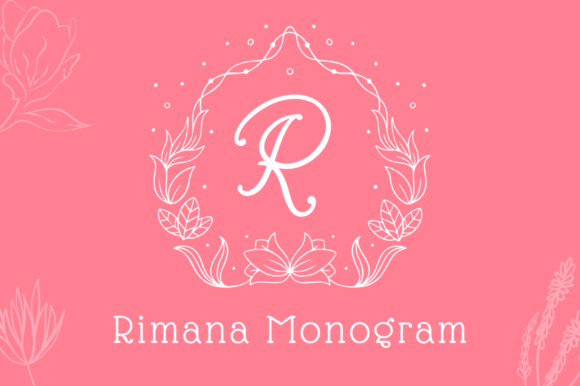
In the rapidly evolving landscape of digital and print design, the line between traditional craftsmanship and modern aesthetics has never been more blurred. As professionals, creators, and entrepreneurs seek to distinguish their brands in a saturated market, the demand for typography that conveys both sophistication and personal connection has surged. Among the tools emerging to meet this need, Rimana Monogram stands out as a premier solution for those seeking to infuse their work with a distinct sense of grace and individuality. This beautiful flower decorative font is not merely a typeface; it is a statement of elegance that bridges the gap between classic floral motifs and contemporary graphic design.
The current design ecosystem is witnessing a significant shift toward "emotional typography." Consumers are no longer satisfied with generic, mass-produced visuals. They crave authenticity, heritage, and a tactile sense of quality even in digital spaces. This is where specialized fonts like Rimana Monogram become indispensable. By integrating intricate floral patterns directly into the letterforms, designers can create visual narratives that resonate on a deeper psychological level, evoking feelings of growth, beauty, and exclusivity.
Understanding the Aesthetic Value of Rimana Monogram
To appreciate the utility of Rimana Monogram, one must first understand its structural uniqueness. Unlike standard serif or sans-serif fonts that prioritize readability above all else, Rimana Monogram prioritizes aesthetic expression while maintaining legibility. It is a decorative font that mimics the organic curves and delicate structures of blooming flowers. Each character is designed to look like a piece of botanical art, making it ideal for projects where visual impact is paramount.
The versatility of this font lies in its ability to adapt to various contexts without losing its core identity. Whether used for a high-end wedding invitation or a boutique skincare logo, the font carries an inherent weight of luxury. For freelancers and marketers, this means less time spent searching for complementary graphics and more time focusing on layout and strategy. The font itself acts as a graphical element, reducing the need for additional decorative assets and streamlining the creative workflow.
Bridging Tradition and Modernity
One of the most compelling aspects of Rimana Monogram is its relevance to the broader trend of neo-traditionalism in design. We are seeing a resurgence of hand-crafted aesthetics in an increasingly digital world. People are yearning for the warmth and imperfection of human touch, which digital vector graphics can sometimes lack. Rimana Monogram captures this sentiment by offering a typeface that feels hand-drawn yet precise enough for professional application.
This balance is crucial for businesses aiming to appear established yet innovative. A brand using Rimana Monogram signals that they value tradition and care but are also aware of current design standards. It is a subtle way of communicating brand values without using explicit marketing copy. For instance, a wellness coach might use this font to convey calmness and natural living, while a fashion designer might use it to suggest couture-level attention to detail.
Strategic Applications Across Industries
The applicability of Rimana Monogram extends far beyond the obvious use cases of stationery. Its potential spans multiple sectors, each leveraging the font’s unique characteristics to enhance brand perception. Below are several key areas where this font is proving to be a valuable asset for professionals and creators.
- Wedding and Event Planning: In the wedding industry, personalization is king. Couples are moving away from generic templates to bespoke designs that reflect their unique love stories. Rimana Monogram is perfect for creating custom monograms, save-the-date cards, and ceremony programs. The floral elements symbolize new beginnings and romance, aligning perfectly with the emotional tone of such events.
- Luxury Branding and Logos: For small business owners and entrepreneurs in the beauty, fashion, or lifestyle sectors, establishing a premium image is critical. A logo featuring Rimana Monogram can instantly elevate a brand’s perceived value. It suggests that the product or service is crafted with care and intended for a discerning clientele. This is particularly effective for boutique hotels, artisanal jewelry brands, and high-end florists.
- Social Media Content Creation: In the age of Instagram and Pinterest, visual hierarchy is everything. Creators are constantly looking for ways to make their posts stand out in a crowded feed. Using Rimana Monogram for quotes, headers, or promotional banners adds a layer of sophistication that encourages engagement. It transforms a simple text post into a shareable piece of art, increasing the likelihood of user-generated content and organic reach.
- Product Packaging: Consumer trends show a strong preference for packaging that looks good on display. Brands are investing heavily in unboxing experiences, and typography plays a central role in this. Rimana Monogram can be used on labels, tags, and outer boxes to create a cohesive and elegant package design. The floral details add texture and interest, making the product feel like a gift even before it is opened.
Why Professionals Are Paying Attention to Decorative Typography
The growing interest in fonts like Rimana Monogram is not accidental. It reflects a fundamental change in how we consume information. In a world dominated by flat design and minimalist interfaces, decorative typography serves as a necessary counterpoint. It breaks the monotony and draws the eye. For marketers, this means higher click-through rates and better retention of visual messages.
Furthermore, the rise of remote work and freelance culture has democratized design. More individuals than ever are tasked with creating professional materials without the backing of large in-house design teams. Accessible, high-quality fonts like Rimana Monogram empower these solo creators to produce work that rivals corporate output. It levels the playing field, allowing small businesses to compete visually with larger competitors through smart typographic choices.
Enhancing User Experience Through Visual Hierarchy
From a UX (User Experience) perspective, the strategic use of Rimana Monogram can guide users’ attention effectively. While it should not be used for body text due to its decorative nature, it excels at capturing attention at key decision points. When placed correctly, it creates a focal point that anchors the design. This is particularly useful in email marketing campaigns, where the subject line and header graphics determine whether an email is opened or ignored.
Designers who master the art of pairing Rimana Monogram with clean, simple sans-serif fonts for body text often find that their layouts achieve a perfect balance. The contrast between the ornate header and the readable body text ensures that the message is both attractive and accessible. This approach respects the user’s need for clarity while still delivering an engaging visual experience.
Practical Tips for Integrating Rimana Monogram into Your Workflow
To get the most out of Rimana Monogram, it is essential to follow best practices in typography. Here are some practical observations for professionals looking to incorporate this font into their projects:
- Limit Usage: Due to its intricate design, Rimana Monogram works best when used sparingly. Reserve it for titles, headings, logos, and short phrases. Overusing it can lead to visual clutter and reduce readability.
- Consider Color and Background: The floral details of the font may get lost against busy backgrounds. Ensure there is sufficient contrast between the text and the background. Solid, muted colors often work best to let the white space within the letters breathe.
- Pair Wisely: Always pair Rimana Monogram with a neutral, highly readable font for supporting text. Simple geometric sans-serifs or classic serifs provide the necessary contrast to keep the design balanced.
- Test at Different Sizes: Decorative fonts can behave unpredictably at different scales. Always preview your design at the final size to ensure that the floral elements remain clear and do not merge together.
Looking Ahead: The Future of Personalized Design
As technology continues to advance, the expectation for personalized and meaningful design will only grow. Artificial intelligence and automation are changing how content is produced, but they cannot replicate the human desire for uniqueness. Fonts like Rimana Monogram offer a tangible link to craftsmanship in a digital medium. They remind us that design is not just about communication; it is about emotion and connection.
For entrepreneurs and creators, embracing tools like Rimana Monogram is a strategic move. It allows them to tell their story in a way that is visually distinctive and emotionally resonant. In a marketplace where attention is the scarcest resource, standing out is not optional—it is essential. By choosing typography that reflects quality and care, brands can build stronger relationships with their audiences.
Ultimately, the appeal of Rimana Monogram lies in its ability to transform ordinary designs into extraordinary experiences. Whether you are designing a wedding card, a social media post, or a corporate logo, this font offers the flexibility and elegance needed to succeed. It is more than just a font; it is a tool for elevating your brand’s narrative and connecting with your audience on a deeper level. As the design industry continues to evolve, those who harness the power of thoughtful, expressive typography will be the ones leading the way.
By integrating Rimana Monogram into your creative toolkit, you are not just selecting a typeface; you are committing to a standard of excellence. You are signaling to your clients and customers that you value beauty, precision, and the art of personalization. In doing so, you position your brand as one that is attuned to the nuances of modern consumer preferences, ready to deliver designs that are not only seen but felt.