Coconut Tree Embroidery Design
Imagine adding a touch of tropical charm to your embroidery projects without ever stepping foot on an island. That’s where the Coconut Tree embroidery design shines. This creative machine embroidery pattern is more than just a decorative motif—it's a versatile, artistic addition that brings warmth and character to any fabric-based project. Whether you're designing custom pillows, updating bedsheets, embellishing clothing, or enhancing home decor, Coconut Tree offers a unique blend of nature-inspired aesthetics and practical functionality.
Aesthetic Appeal and Visual Characteristics
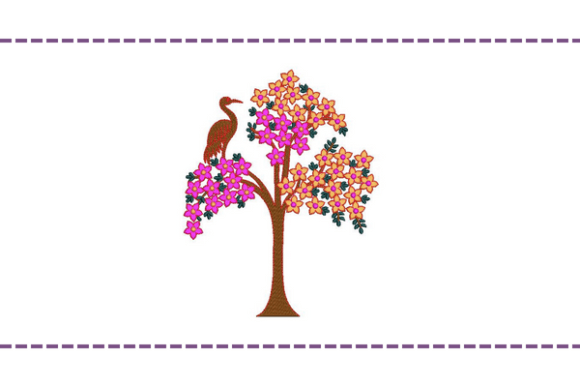
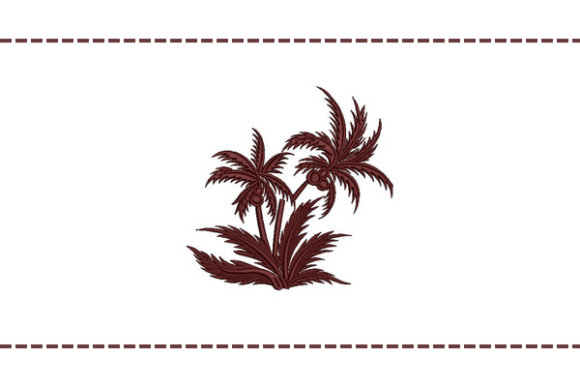
The Coconut Tree embroidery design features stylized coconut trees that evoke a sense of calm and coastal living. The lines are clean yet expressive, capturing the gentle sway of palm fronds and the rounded form of coconuts with a balance between simplicity and detail. It’s crafted to be visually appealing from both close and afar distances, making it ideal for large-scale applications like wall hangings or subtle accents in smaller items such as keychains or napkins.
This design works well across a range of color palettes. Its natural, organic shape pairs beautifully with earthy tones, pastels, and even bold, vibrant hues depending on the context. The multiple file formats included ensure compatibility with various embroidery machines, so you can bring its charm into your creations seamlessly.
Why Choose Coconut Tree?
There are several reasons why crafters and designers are gravitating toward this pattern:
- Unique Style: Unlike generic floral or geometric designs, Coconut Tree stands out with its botanical inspiration and artisanal feel.
- High Detail: The intricate yet balanced details allow for stunning visual impact without overwhelming the fabric or garment.
- Professional Quality: As a premium embroidery design, it delivers crisp, consistent stitches across different materials and settings.
Whether you're a seasoned embroiderer or just starting out, this design adds a level of sophistication that elevates your work. It’s not only about looking good—it's about creating something memorable and meaningful for your audience.
Applications Across Creative Projects
The beauty of the Coconut Tree embroidery design lies in its adaptability. Here’s how it can enhance various types of creative and commercial projects:
Home Decor
Transform plain throw pillows or cushion covers into eye-catching centerpieces by stitching the Coconut Tree motif. These additions can serve as focal points in rooms with beach-themed or minimalist interiors. You can also use it to personalize bed linens, curtains, or even kitchen towels for a cozy, curated look.
Consider using it in combination with other tropical elements like seashells or waves. The result? A cohesive, stylish set of home textiles that speak volumes about your attention to detail and aesthetic sensibility.
Clothing and Accessories
From tote bags to denim jackets, the Coconut Tree design adds a subtle yet striking visual element. It’s especially effective on casual wear, where it can communicate a laid-back vibe without being too literal. When used on accessories like hats, scarves, or handkerchiefs, it becomes a signature piece that reflects personal style or brand identity.
Designers often use such motifs to create limited-edition collections that resonate with eco-conscious consumers or those seeking a connection to nature. The versatility of the design makes it suitable for both men's and women's fashion lines, ensuring broad appeal.
Commercial Use and Branding
For small business owners, the Coconut Tree design can become part of a larger brand strategy. Think boutique stores, gift shops, or wellness centers that aim to convey tranquility and authenticity. Incorporating this motif into branded merchandise—like aprons, apron patches, or reusable shopping bags—can reinforce brand personality and make your products more desirable.
Its presence in packaging design, such as gift tags or product labels, can also help differentiate your offerings in a crowded market. Consumers tend to remember brands that tell a story through their visuals, and Coconut Tree does just that with its serene, nature-forward imagery.
Impact on Readability and Design
While readability might not seem directly related to an embroidery motif, the placement and integration of the Coconut Tree design can influence how users perceive and interact with your final product. In editorial design, for instance, placing the design subtly at the bottom of a greeting card or magazine cover can add a decorative flourish without distracting from the text.
In logo design, when combined with minimalistic typography, the Coconut Tree can symbolize sustainability, relaxation, or travel. It helps build a strong visual hierarchy by drawing attention to specific areas while maintaining balance in the overall composition.
For digital and print media, the design supports brand perception by offering a consistent visual language. If you're targeting markets associated with wellness, yoga, or outdoor living, the Coconut Tree motif aligns perfectly with these themes. It enhances professionalism by showcasing your ability to curate high-quality design assets that reflect your brand values.
Readability Considerations
If you’re integrating the Coconut Tree design alongside text, consider how it interacts with the chosen typeface. For example, pairing it with a modern sans serif font can keep the look fresh and contemporary, whereas a handwritten script might emphasize its artistic flair. Always test the design in real-world conditions—different lighting, fabric textures, and stitch densities—to ensure it remains legible and impactful.
Practical Tips for Choosing and Using Coconut Tree
When selecting the Coconut Tree embroidery design for your next project, start by evaluating its fit within the overall theme and purpose. Ask yourself: Does this design support the message I want to convey? Will it complement the colors and patterns already present in the fabric or product?
Here are some steps to guide your decision:
- Review Included Styles: Check if the design comes in variations like filled, outlined, or simplified forms. Different styles suit different purposes and fabrics.
- Test Font Pairings (if applicable): If your design includes text elements, experiment with font pairings to maintain harmony. Try display fonts for logos and serif fonts for body text to strike the right balance.
- Assess Readability: Ensure the design doesn’t overpower the text or become too busy. Especially for smaller items, clarity is key.
- Evaluate Commercial Licensing: Make sure you have the right permissions if you plan to sell finished products. Many embroidery designs offer commercial licenses, but it's always wise to confirm before mass production.
Once you’ve made your choice, don’t hesitate to test it out on sample pieces. Sometimes, what looks great on screen may behave differently when stitched onto linen versus cotton. Observing the design in motion—how it lays flat, how it takes color—will give you confidence in its final application.
Real-World Examples
Many successful indie brands have used similar motifs to define their visual identities. For example, a boutique selling handmade bath bombs used a simple palm tree design on their packaging to instantly connect with customers who value self-care and natural ingredients. Similarly, a line of resort-style apparel incorporated a stylized tree into their branding to suggest a carefree lifestyle.
You can follow the same path. Imagine a line of embroidered journals with the Coconut Tree subtly placed on the spine. Or a series of custom-designed aprons for a local café, each featuring the motif in a different color scheme. These examples show how a single design can be adapted creatively while maintaining brand consistency.
Final Thoughts on Integration and Creativity
The Coconut Tree embroidery design is more than just a pretty pattern. It's a tool that can help you express creativity, build brand identity, and engage audiences in meaningful ways. By thoughtfully incorporating it into your textile projects, you open up new possibilities for storytelling and visual communication.
As with any design asset, the key is to understand its strengths and limitations. It thrives in spaces where nature, simplicity, and elegance are valued. Whether you're crafting for personal enjoyment or commercial success, Coconut Tree provides a foundation for innovation that feels both grounded and imaginative.
So, take a closer look at your upcoming projects. Where could a little bit of tropical charm go a long way? With the Coconut Tree design, the answer is likely more places than you think.