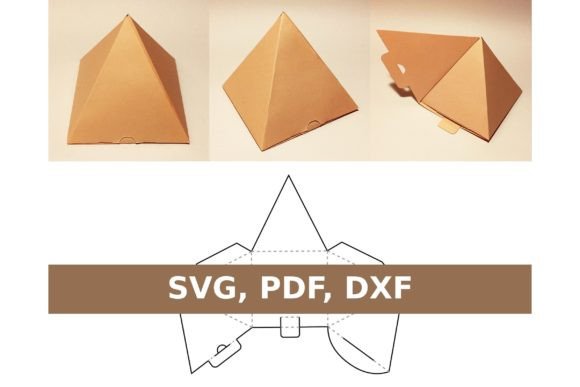
Pyramid Box
In a digital-first world where physical interaction is becoming increasingly curated and intentional, the humble packaging solution has undergone a quiet but significant transformation. We are no longer satisfied with standard brown cardboard or generic plastic tubs; we seek objects that possess character, geometry, and tactile appeal. This shift in consumer expectation has elevated simple container templates into essential tools for creators, small business owners, and hobbyists alike. At the center of this resurgence is the Pyramid Box, a geometrically elegant container template that serves as both a functional vessel and an intriguing decorative item.
The Pyramid Box is not merely a way to store items; it is a statement of design sensibility. Its sharp angles and symmetrical form offer a visual contrast to the soft curves and rectangular monotony of traditional storage solutions. For professionals launching product lines, educators creating classroom aids, or bloggers seeking unique photography props, the ability to produce high-quality, custom-branded containers on demand is no longer a luxury—it is a competitive advantage. The availability of versatile digital files allows users to move from concept to creation seamlessly, bridging the gap between digital design and physical reality.
The Evolution of DIY Packaging and Creative Workflows
Five years ago, producing custom packaging required access to industrial printing presses, minimum order quantities in the thousands, and significant upfront capital. Today, the landscape has shifted dramatically due to the democratization of digital fabrication tools. The rise of home cutting machines like Cricut and Silhouette has empowered individuals to act as micro-manufacturers. This technological accessibility has changed how people approach creativity and commerce. Users now expect agility: the ability to test a design, print a batch of fifty, gauge market response, and iterate quickly without financial ruin.
The Pyramid Box fits perfectly into this modern workflow. It represents a move away from mass-produced uniformity toward personalized, artisanal aesthetics. As remote work and home-based entrepreneurship continue to grow, the demand for aesthetically pleasing, functional items within the home office and creative studio has surged. People are investing in their immediate environments, choosing decor and organization tools that reflect their personal brand or artistic style. A pyramid-shaped box, with its striking silhouette, transforms a mundane object—like a candle, a gift, or a craft supply—into a focal point. This aligns with broader lifestyle shifts where "instagrammability" and shareable moments drive purchasing decisions. A well-designed package is often the first unboxing experience a customer encounters, making it a critical touchpoint in brand perception.
Technical Versatility and User Accessibility
One of the primary barriers to entry for complex paper crafts has historically been technical complexity. However, the comprehensive nature of modern template packages addresses this head-on. The specific offering for the Pyramid Box is designed to accommodate a wide range of skill levels and hardware capabilities, ensuring that anyone with an interest can participate. The package includes a robust suite of file formats that cater to different software ecosystems and user preferences.
- DXF Files: Essential for users of Silhouette Studio and other vector-based design software. These files allow for precise scaling and manipulation, enabling users to adjust dimensions to fit specific products before cutting.
- SVG Files: The gold standard for Cricut Design Space users. SVGs are scalable vector graphics that maintain crisp edges at any size, ensuring clean cuts regardless of whether the final box is palm-sized or large enough to hold a full set of art supplies.
- PDF Files (A4, A3, Letter): For those who prefer a more traditional approach or lack advanced cutting machine software, printable PDFs provide a straightforward path. Users can print these directly onto cardstock or heavy paper and assemble by hand. The inclusion of multiple standard paper sizes ensures global compatibility, removing the frustration of aspect ratio mismatches.
- JPG Files: Raster images included in the package can serve as reference guides, inspiration boards, or base layers for further graphic design work in programs like Photoshop or Canva.
- TXT File with Cricut Instructions: Perhaps the most valuable asset for beginners, this text file provides step-by-step guidance tailored specifically for the Cricut ecosystem. It demystifies the process, reducing the trial-and-error phase that often discourages new crafters.
This multi-format approach reflects a deep understanding of user diversity. Not every creator uses the same software, and not every workspace is equipped with the latest cutting technology. By providing options, the template ensures inclusivity. A professional designer might use the DXF file to integrate branding elements before sending it to a commercial cutter, while a parent teaching a child about geometry might use the printable PDF to assemble a model together. The flexibility of the format mirrors the flexibility of the modern creator economy.
Practical Applications Across Industries
The utility of the Pyramid Box extends far beyond simple decoration. Its structural integrity and aesthetic appeal make it suitable for a variety of practical applications across different sectors.
Retail and E-commerce
For small business owners selling handmade goods, jewelry, or digital downloads, the Pyramid Box offers a premium unboxing experience. Unlike flat mailers, a rigid pyramid structure protects contents while signaling quality. Imagine sending a pair of earrings housed in a sleek, geometric box that stands upright on a vanity table. The customer is less likely to discard it immediately, extending the brand's visibility in their daily life. This subtle marketing tool costs little to produce yet yields high perceived value.
Education and STEM Learning
Educators and homeschooling parents are increasingly focused on hands-on learning. The assembly of a pyramid box provides a tangible lesson in geometry, spatial reasoning, and engineering principles. Students must understand nets, folds, and structural stability to create a functioning 3D object from a 2D plane. The clear instructions provided in the package make it an ideal resource for lesson plans involving polyhedrons or architectural design basics.
Event Planning and Gifting
In the realm of events, uniqueness is currency. Wedding favors, corporate gifts, and holiday presents benefit from distinctive presentation. A Pyramid Box can be customized with various papers—kraft for rustic themes, metallic foils for luxury events, or patterned designs for festive occasions. Its shape naturally draws the eye, making it an effective vehicle for gifting items that deserve special attention, such as gourmet treats, artisanal soaps, or commemorative tokens.
Design Considerations and Best Practices
While the template simplifies the technical aspects of creation, successful implementation requires thoughtful design choices. To maximize the impact of the Pyramid Box, users should consider the weight and texture of the materials they choose. Standard printer paper may suffice for display models, but for functional containers holding heavier items, cardstock or cover stock is necessary to prevent warping or tearing at the fold lines.
Furthermore, the integration of branding should be subtle yet effective. Because the pyramid shape relies on strong geometric lines, overly complex patterns can clutter the visual field. Solid colors or minimalist logos often complement the structure best, allowing the form itself to speak. When using the SVG or DXF files, designers can experiment with negative space, incorporating cut-out windows to reveal glimpses of the contents, adding an element of mystery and engagement.
It is also worth noting the environmental implications of this approach. By producing packaging on-demand and using recyclable paper stocks, creators can significantly reduce waste compared to bulk ordering non-recyclable plastics. This aligns with the growing consumer preference for sustainable practices. A Pyramid Box made from recycled paper with soy-based inks tells a story of responsibility, enhancing the brand narrative for eco-conscious audiences.
Looking Ahead: The Future of Personalized Containers
As technology continues to advance, the line between digital design and physical production will blur even further. We are likely to see greater integration between cloud-based design platforms and home cutting devices, allowing for real-time collaboration and instant manufacturing. The Pyramid Box, with its adaptable file formats, is positioned to thrive in this evolving ecosystem. It serves as a foundational example of how simple geometric forms can be leveraged for complex creative ends.
For professionals and hobbyists alike, the message is clear: the tools for high-quality production are now accessible. The barrier is no longer technical infrastructure but rather creative vision. By utilizing resources like the Pyramid Box template, individuals can elevate their projects, enhance their user experiences, and express their unique identities through tangible, beautifully crafted objects. In a market saturated with noise, standing out requires more than just a good product; it requires a compelling presentation. The Pyramid Box provides the perfect canvas for that presentation, turning everyday containers into memorable experiences.