Japanese Sashiko Shape Circle: Evaluating the Intersection of Traditional Stitching and Modern Digital Embroidery
For decades, Japanese Sashiko has been revered not merely as a decorative technique but as a functional method of textile preservation. Historically rooted in rural Japan during the Edo period, Sashiko (meaning "little stabs") was utilized by working-class families to reinforce garments and bedding. The repetitive running stitch created layers of durability, turning worn cotton into resilient heirlooms. Today, however, the aesthetic of Sashiko has transcended its utilitarian origins, evolving into a prominent style within modern machine embroidery. Among the various motifs available, the Japanese Sashiko Shape Circle has emerged as a distinct and versatile design element that bridges the gap between heritage craftsmanship and contemporary digital artistry.
Understanding what makes this specific shape significant requires looking beyond the visual appeal. It involves evaluating how traditional hand-stitching logic translates into machine-executed digital files, comparing it against other geometric embroidery patterns, and determining which projects benefit most from its unique structural properties. This analysis explores the nuances of the Japanese Sashiko Shape Circle, offering practical insights for embroiderers, designers, and hobbyists who are weighing their options for fabric decoration.
The Anatomy of Japanese Sashiko Shape Circle
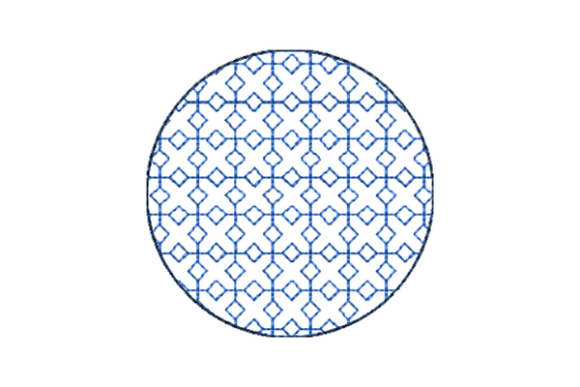
At its core, the Japanese Sashiko Shape Circle is a geometric interpretation of the classic running stitch. Unlike solid fills or dense satin stitches that cover large areas with thread, Sashiko designs rely on negative space. The circle shape introduces a challenge to the standard linear flow of Sashiko, requiring the digitizer to calculate precise stitch lengths and angles to maintain the characteristic "dashed" appearance around a curved perimeter.
What distinguishes the Japanese Sashiko Shape Circle from generic circular embroidery designs is the emphasis on rhythm and spacing. In traditional hand embroidery, consistency is key; each stitch should be roughly equal in length and distance from the next. When translated into a digital format, this translates to specific parameters regarding stitch density and pull compensation. A well-digitized circle will appear crisp and evenly spaced, whereas a poorly executed one may look distorted or overly dense, losing the airy, breathable quality that defines authentic Sashiko.
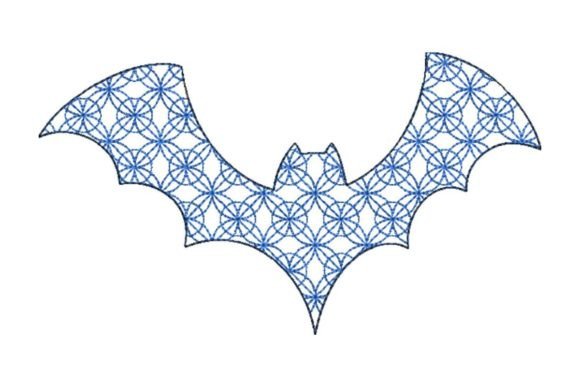
This design often features concentric circles or segmented arcs, mimicking the way traditional Sashiko quilts layer multiple lines of stitching. The result is a texture that feels organic despite its mathematical precision. For those exploring alternatives, it is important to note that this style does not aim for solid coverage. Instead, it offers a lightweight, textured finish that allows the underlying fabric to remain visible, creating a dialogue between the thread and the material.
Comparing Sashiko Circles to Other Embroidery Styles
When selecting an embroidery design, users often compare Sashiko against more conventional styles such as fill stitches, appliqué, or monogramming. Understanding these differences helps clarify when the Japanese Sashiko Shape Circle is the appropriate choice.
Sashiko vs. Dense Fill Stitches
Dense fill stitches, such as tatami or herringbone fills, create a solid block of color. They are ideal for logos, text, and bold graphical elements where opacity is required. However, they add significant weight to the fabric and can stiffen the material, particularly if using polyester or rayon threads. In contrast, the Sashiko circle uses minimal thread relative to the area covered. This makes it superior for projects where drape and softness are priorities, such as apparel, light jackets, or delicate home textiles. The tradeoff is clear: if you need high-contrast visibility from a distance, a dense fill is better. If you want subtle texture and a vintage aesthetic, Sashiko is the stronger option.
Sashiko vs. Appliqué
Appliqué involves sewing pieces of fabric together, often finished with a satin stitch border. While appliqué allows for complex shapes and multi-color designs, it adds bulk and requires careful trimming and stabilizing. The Japanese Sashiko Shape Circle, being a single-thread design, eliminates the need for fabric layering. It is faster to execute on the machine and results in a flatter profile. For beginners or those working with limited equipment, Sashiko offers a simpler workflow compared to the technical demands of clean appliqué edges.
Sashiko vs. Standard Monograms
Traditional monograms often use script fonts filled with satin stitches to achieve a luxurious, raised look. These designs can be fragile and prone to thread breaks if not stabilized correctly. Sashiko circles offer a more durable alternative for personalization. By incorporating circular Sashiko borders around initials or names, embroiderers can add structure without the fragility of dense satin work. This hybrid approach combines the legibility of lettering with the resilience of reinforcement stitching.
Technical Considerations and Format Compatibility
One of the primary advantages of modern digital Sashiko designs is their versatility across different machine ecosystems. The Japanese Sashiko Shape Circle typically comes packaged in multiple embroidery file formats, such as PES (Brother), DST (Zigzag), EXP (Melco), and JEF (Janome). This multi-format availability is crucial for users who may switch machines or share designs with others.
However, compatibility is only part of the equation. Users must also consider the software capabilities of their embroidery machines. Older or entry-level machines may struggle with rapid direction changes required for circular Sashiko patterns. If the machine’s processor cannot handle quick needle dips and repositioning, the stitch quality may suffer, leading to uneven spacing or thread tension issues. Therefore, when evaluating this design, it is wise to test a small sample on scrap fabric first.
Additionally, the choice of stabilizer plays a critical role in the success of a Sashiko circle. Because the design relies on consistent stitch length, any shifting of the fabric during embroidery will distort the circle. Cut-away stabilizers are generally recommended for woven fabrics to prevent distortion, while tear-away stabilizers may suffice for stable knits. The decision here depends on the final use of the garment; if the item will undergo frequent washing, a permanent cut-away stabilizer ensures the circle retains its shape over time.
Evaluating Strengths and Limitations
To make an informed decision, it is necessary to weigh the benefits against potential drawbacks. The Japanese Sashiko Shape Circle offers several distinct strengths:
- Aesthetic Versatility: The minimalist nature of Sashiko complements both rustic and modern design palettes. It works equally well on indigo denim, white linen, or colorful cotton blends.
- Durability: True to its roots, the running stitch distributes stress across the fabric rather than concentrating it in one spot. This makes Sashiko circles excellent for high-wear areas like cuffs, collars, or pocket edges.
- Speed: Compared to complex multi-color designs, Sashiko circles are relatively quick to stitch. This efficiency reduces machine wear and thread consumption, lowering the overall cost per project.
However, there are limitations to consider. The design is inherently two-dimensional and lacks the depth of 3D puff embroidery or the vibrancy of sequin work. If the goal is to create a flashy, eye-catching statement piece, Sashiko may feel too subdued. Furthermore, because the design relies on negative space, it requires a contrasting thread color to be visually effective. Using tonal thread on tonal fabric can render the intricate circular pattern nearly invisible, defeating the purpose of the design.
Decision Factors: When to Choose Japanese Sashiko Shape Circle
Selecting the right embroidery design depends on the specific needs of the project. The Japanese Sashiko Shape Circle is the optimal choice in the following scenarios:
- Textile Preservation Projects: If you are repairing or upcycling vintage fabrics, Sashiko circles honor the history of the material while adding new life. The design respects the integrity of older fibers without overwhelming them.
- Apparel Customization: For jeans, jackets, or tote bags, the lightweight nature of Sashiko ensures comfort. Unlike heavy fills that can scratch the skin or restrict movement, Sashiko circles lie flat and flexible.
- Minimalist Home Decor: Pillowcases, table runners, and napkins benefit from the elegant simplicity of circular Sashiko patterns. They add texture without cluttering the visual field, aligning with contemporary interior design trends.
Conversely, readers might need another option if they are producing large-scale commercial batches where maximum visual impact is required for brand recognition. In such cases, bold logos with dense fills or vibrant colors would likely serve the marketing objective better. Similarly, for children’s clothing where extreme durability and washability are paramount, some users might prefer tighter, denser stitches that resist pilling more effectively than the open structure of Sashiko.
Practical Application and Experimentation
Experimentation is key to mastering the Japanese Sashiko Shape Circle. Start by adjusting the thread type. While traditional Sashiko uses cotton thread for its matte finish and strength, modern embroidery machines often perform best with polyester or rayon. Cotton can break more easily at high speeds, so testing different thread weights is essential. A finer thread may require smaller stitch lengths to maintain visibility, while a thicker thread can create a bolder, more graphic look.
Another area for exploration is the combination of sizes. Placing small Sashiko circles inside larger ones, or arranging them in a grid pattern, can create complex mandala-like effects. This layering technique takes advantage of the design’s modular nature, allowing users to customize the density and scale to fit their creative vision. Whether used as a standalone motif or as part of a larger composition, the Japanese Sashiko Shape Circle offers a sophisticated tool for transforming simple fabric into meaningful art.
In conclusion, the Japanese Sashiko Shape Circle represents more than just a trend; it is a testament to the enduring appeal of functional beauty. By understanding its technical requirements, comparing it to alternative styles, and recognizing its ideal use cases, embroiderers can make confident decisions that enhance their craft. As digital tools continue to evolve, this traditional form remains relevant, proving that sometimes the simplest stitches carry the most weight.