Japanese Sashiko Shape Bat: A Unique Blend of Tradition and Modern Embroidery
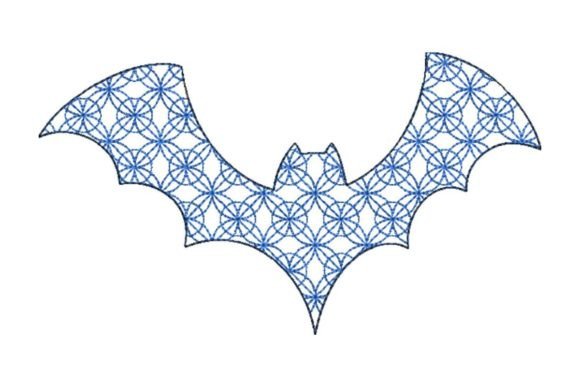
The Japanese Sashiko Shape Bat is a beautiful and intricate embroidery design that combines the traditional Japanese art of sashiko with a whimsical, symbolic shape — the bat. Sashiko, which originated as a functional mending technique during Japan’s Edo period, has evolved into a widely appreciated decorative craft known for its meditative process and striking geometric patterns. The bat motif, often associated with good fortune and protection in Japanese culture, makes this particular design both meaningful and visually appealing.
What Is Sashiko Embroidery?
Sashiko is a form of hand embroidery traditionally used to reinforce fabric, particularly in garments like kimonos and quilted textiles. It involves running simple stitches through layers of cloth to add strength and durability. Over time, sashiko has become popular for its aesthetic value, especially in modern home décor and fashion. The designs are typically based on geometric shapes and symbols, stitched in white or colored thread over indigo-dyed cotton fabric.
Today, many artisans and hobbyists adapt sashiko techniques using machine embroidery, making it more accessible and versatile. This includes pre-designed motifs like the Japanese Sashiko Shape Bat, which allows even beginners to create stunning pieces without mastering complex hand-stitching methods.
Why Choose the Japanese Sashiko Shape Bat Design?
The bat-shaped sashiko design brings a touch of symbolism and elegance to any project. In Japanese folklore, bats are seen as auspicious creatures representing happiness, longevity, and prosperity. Incorporating this design into your work can be a meaningful way to celebrate cultural heritage while also creating something unique and personal.
This design is ideal for those who:
- Want to explore Japanese embroidery traditions but lack experience.
- Seek to add a decorative yet culturally rich element to their sewing projects.
- Are looking for ready-to-use machine embroidery files that save time and effort.
- Enjoy blending symbolism with artistic expression in their crafts.
Challenges You Might Face
If you're new to sashiko embroidery, one challenge may be finding high-quality, culturally authentic designs that are easy to use. Traditional sashiko patterns require precision and patience, and some may struggle with aligning stitches or achieving consistent results by hand. Additionally, sourcing suitable materials like thick cotton or linen and appropriate thread can be tricky for beginners.
Another common issue is understanding how to scale and position the design correctly on different fabrics or items. Without proper guidance, even a well-crafted pattern might not look its best when applied.
How the Japanese Sashiko Shape Bat Can Help
The Japanese Sashiko Shape Bat design simplifies the creative process by providing a pre-made template that captures the essence of sashiko while being adaptable to modern tools. With multiple file formats included, such as DST, EXP, HUS, PES, VIP, and others, this machine embroidery design ensures compatibility with a wide range of embroidery machines, from basic models to advanced ones.
By using this design, you eliminate the need to draft or trace a bat motif manually. It also helps maintain uniformity in stitch spacing and pattern flow, which is essential for achieving the clean, balanced look typical of sashiko. Whether you’re working on a quilt, cushion cover, wall hanging, or garment, this design gives you a professional finish with minimal effort.
Practical Applications and Creative Outcomes
The versatility of the Japanese Sashiko Shape Bat opens up numerous creative possibilities. Here are some practical ways you can use it:
- Quilting Projects: Add the bat motif to the corners or center of your quilts for a charming focal point.
- Home Décor: Use it on pillowcases, curtains, or table runners to infuse your space with a touch of Japanese tradition.
- Fashion Embellishment: Decorate denim jackets, tote bags, or aprons with the bat shape for a subtle yet stylish statement.
- Gift Items: Personalize baby blankets, wall hangings, or decorative towels with this symbol of good luck.
For instance, imagine adding a small bat motif to each corner of a handmade quilt. Not only does it provide visual interest, but it also tells a story rooted in cultural symbolism. Or picture a set of embroidered kitchen towels featuring the bat design in soft pastel threads — a perfect example of how sashiko can blend functionality with beauty.
Recommendations for Best Results
To get the most out of your Japanese Sashiko Shape Bat embroidery design, consider these tips:
- Choose the Right Fabric: Opt for tightly woven cotton or linen for optimal stitch definition. Thicker fabrics will hold the design better and give it a more pronounced effect.
- Select Appropriate Thread: Sashiko thread is usually thinner than regular embroidery thread, allowing for tight, neat stitching. However, if using machine embroidery, ensure the thread matches the weight and color of the design.
- Use a Water-Soluble Stabilizer: This helps prevent puckering and distortion, especially on delicate or stretchy materials.
- Test on Scrap Fabric First: Before applying the design to your final project, test it on a sample piece to adjust tension and placement as needed.
- Experiment with Color Schemes: While traditional sashiko uses white thread on indigo fabric, don’t be afraid to try other combinations. Using contrasting colors can make the bat stand out dramatically, while muted tones offer a more understated elegance.
Different Approaches for Different Users
Crafters have varying levels of experience and goals, so they may approach the Japanese Sashiko Shape Bat differently. For example:
- Beginners: May appreciate the simplicity of using pre-designed files. They can focus on learning how to operate their embroidery machine rather than struggling with pattern creation.
- Experienced Embroiderers: Could use the bat motif as inspiration to customize or combine it with other sashiko elements to create a unique design.
- Interior Designers: Might incorporate the bat motif into larger textile designs for client projects, using it as a signature element in a series of coordinated pieces.
- Commercial Crafters: Can benefit from the scalability of machine embroidery to produce multiple units efficiently, maintaining consistency across all products.
Useful Considerations for Implementation
Before starting your project, think about the following factors to ensure success:
- Machine Compatibility: Confirm that your embroidery machine supports the file formats provided with the design. Most modern machines do, but double-checking avoids unnecessary frustration.
- Design Placement: Consider where the bat shape will fit best within your overall layout. Bats can be arranged in pairs for symmetry or placed individually for a focal point.
- Thread Tension: Adjust your machine’s tension settings to avoid pulling or breaking the thread. White or light-colored threads are recommended for a classic sashiko look.
- Layering Techniques: If you're embroidering on a quilt, remember that layering affects the final result. Ensure your backing and batting materials won’t interfere with the stitch density.
Embracing the Art of Sashiko Through the Bat Motif
The Japanese Sashiko Shape Bat is more than just an embroidery design; it's a doorway into a centuries-old craft with deep cultural roots. By incorporating this design into your projects, you not only elevate your creations but also honor the history and symbolism behind them. Whether you're drawn to the meditative rhythm of sashiko or simply want to enhance your next sewing project, this bat motif offers a perfect balance of tradition and innovation.
As you begin experimenting with the Japanese Sashiko Shape Bat, take time to understand the meaning behind the motif and how it fits into the broader context of sashiko. This deeper connection will inspire more thoughtful and meaningful applications of the design in your work.
Final Thoughts
In conclusion, the Japanese Sashiko Shape Bat is a valuable addition to any crafter’s library. Its combination of cultural significance, elegant design, and ease of use makes it a standout choice for both novice and seasoned embroiderers. By embracing this motif, you open yourself to a world of creative possibilities and a chance to bring a touch of Japanese tradition into your modern crafting journey.