Embracing Tradition: The Beauty of Indian Embroidery in Modern Home and Fashion Decor
Indian decoration is a vibrant tapestry woven with centuries of cultural heritage, artistic expression, and regional diversity. Among the many elements that define this rich tradition, embroidery stands out as a timeless art form that brings warmth, texture, and storytelling to everyday objects. One such traditional Indian embroidery design can transform ordinary fabrics into extraordinary pieces by adding a cozy and artistic feel. Whether you're looking to enhance your home decor or personalize your wardrobe, these designs offer a unique blend of beauty and functionality.
The Essence of Traditional Indian Embroidery
Embroidery in India dates back thousands of years and has been passed down through generations. It is not just about aesthetics but also carries deep cultural significance. Each region in India has its own style, technique, and motifs, often reflecting local traditions, beliefs, and natural surroundings. From the intricate patterns of Phulkari from Punjab to the delicate Zardozi work of Rajasthan, Indian embroidery tells a story of craftsmanship and identity.
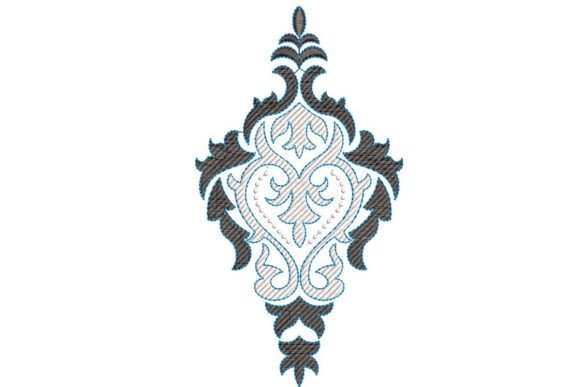
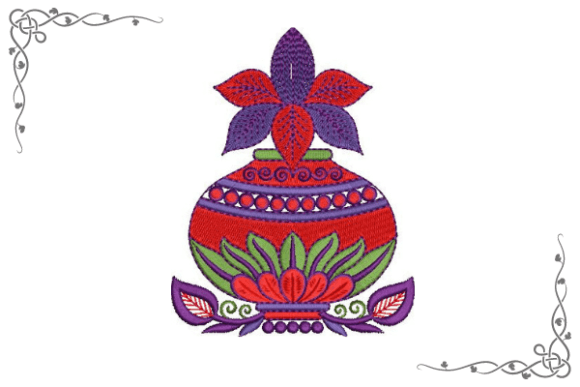
What makes Indian embroidery particularly special is the attention to detail and the use of vivid colors. These designs are typically hand-stitched using techniques like chain stitch, satin stitch, and running stitch. However, modern advancements have introduced machine embroidery versions of these traditional styles, making it more accessible for today’s crafters and designers. This machine embroidery design, inspired by classic Indian patterns, comes in multiple file formats and is compatible with various embroidery machines, ensuring ease of use and adaptability.
Why Choose Indian Embroidery for Decoration?
- Cultural Connection: Incorporating Indian embroidery into your decor allows you to celebrate and preserve a part of India's artistic legacy.
- Unique Aesthetic: The intricate motifs and color schemes provide a distinctive look that sets your decor apart from mass-produced items.
- Comfort Meets Craft: The soft textures and warm hues of embroidered fabrics create a welcoming and homely atmosphere.
- Versatility: These designs can be applied to a wide range of items including decorative pillows, bedsheets, clothes, and other home décor elements.
Applications in Home and Fashion Decor
One of the most popular uses of this traditional Indian embroidery design is on decorative pillows. These can instantly elevate the look of a living room or bedroom by introducing a touch of elegance and tradition. For instance, a simple cushion cover can be transformed with floral patterns or geometric shapes typical of Indian embroidery, creating a statement piece that reflects personal style and cultural appreciation.
Bed Sheets and Linens
When it comes to bedding, embroidered sheets add both visual appeal and comfort. They make a great addition to any bedroom, especially if you’re aiming for a bohemian or eclectic vibe. The gentle curves and flowing lines of Indian embroidery can mimic the movement of wind through trees or the rhythm of rivers, turning your bed into a serene retreat.
Many artisans now offer digital embroidery files that allow you to customize the size and placement of the design, making it easy to match your existing décor or experiment with bold new looks.
Clothing and Accessories
Indian embroidery isn’t limited to home décor. It also plays a significant role in fashion. When applied to clothing, such as kurtas, sarees, or even western-style jackets, it adds an exotic flair that’s perfect for both casual wear and formal events. The versatility of this design means you can choose to go subtle or go all out—depending on your taste and the occasion.
Accessories like bags, scarves, and even shoes can benefit from this embroidery. Imagine a plain white tote bag brought to life with golden threadwork resembling traditional Indian motifs. It’s a stylish way to support artisanal crafts while keeping up with modern fashion trends.
How to Use Machine Embroidery Designs Inspired by Indian Art
If you're new to embroidery, using a machine embroidery design can be a great starting point. These digital files are created to replicate the look of hand-stitched embroidery with the convenience of modern technology. Here’s how you can get started:
- Select the Right Fabric: Opt for cotton, linen, or silk blends that hold stitches well and complement the design.
- Choose Compatible Machines: Ensure your embroidery machine supports the file formats included (such as DST, EXP, HUS, PES, etc.). Most modern machines are versatile enough to handle these files.
- Design Placement: Plan where you want the design to appear. Symmetrical placement works best for centerpieces like pillow covers, while asymmetrical layouts can add a dynamic element to larger pieces like bedspreads or table runners.
- Thread Selection: Use high-quality threads in traditional Indian colors like saffron, maroon, gold, and turquoise to stay true to the aesthetic.
- Experiment with Sizes: Many machine embroidery designs come with resizing options, so you can adjust them to fit your project perfectly.
By following these steps, you can bring the essence of Indian decoration into your space without requiring advanced stitching skills. The result is a beautifully crafted item that feels both authentic and contemporary.
Benefits of Using Digital Embroidery Files
- Time Efficiency: Machine embroidery significantly reduces the time required compared to hand embroidery, making large projects more manageable.
- Consistency: You can produce uniform results across multiple items, which is ideal for batch decorating pillows or linens for resale or gifting.
- Customization: With access to different file formats, you can modify the design to suit your preferences or combine it with other elements for a personalized touch.
- Cost-Effective: Once you invest in the digital design, you can reuse it as needed, saving money in the long run.
Integrating Indian Embroidery into Modern Spaces
In today’s world, there's a growing interest in blending traditional and modern elements within interior design. Indian embroidery fits seamlessly into this trend, offering a bridge between heritage and contemporary living. Its intricate details and rich symbolism make it an excellent choice for those who appreciate meaningful décor.
For example, a minimalist bedroom can gain depth and character with a few embroidered accents. A simple gray duvet paired with a bright red embroidered pillow can become the focal point of the room, drawing admiration and conversation. Similarly, in a living area, an embroidered throw or wall hanging can infuse warmth and personality without overwhelming the space.
Decor Ideas That Work Well with Indian Embroidery
- Cozy Pillow Covers: Add a pop of color and texture to your sofa or bed with custom embroidered cushions.
- Table Runners and Place Mats: Elevate your dining experience with elegant embroidered linens that reflect Indian artistry.
- Wall Hangings: Create a stunning centerpiece for your wall with a large embroidered canvas or framed textile.
- Bathroom Towels: Bring a touch of luxury to your bathroom with embroidered towels featuring traditional motifs.
- Handbags and Tote Bags: Personalize your accessories with embroidery that tells a story or represents your roots.
These ideas show how Indian embroidery can be adapted to fit different aspects of modern life, from daily routines to special occasions.
Common Misconceptions About Indian Embroidery
Despite its popularity, some misconceptions surround Indian embroidery. One common belief is that it's only suitable for ethnic or traditional settings. In reality, Indian embroidery can be tailored to suit a variety of styles—from rustic farmhouse to sleek urban interiors. Another misconception is that it requires complex stitching techniques. Thanks to machine embroidery, anyone can create beautiful, detailed designs with minimal effort.
Some people also think that Indian embroidery is limited to certain colors or themes. While it's true that traditional designs often feature vibrant hues and symbolic motifs, there are also modern adaptations available. These may include simpler line drawings, muted tones, or abstract interpretations that still capture the spirit of the original craft without feeling outdated.
Overcoming Challenges with Machine Embroidery
While machine embroidery offers many advantages, it also comes with its own set of challenges. Here are some tips to help you overcome them:
- Use the Correct Stabilizer: To prevent puckering or distortion, apply the right type of stabilizer before stitching.
- Test on Scrap Fabric: Always do a test run on a sample piece to ensure the design looks good and functions properly on your machine.
- Follow Design Instructions: Each embroidery file may have specific guidelines regarding tension, hoop size, and thread types. Adhering to these instructions ensures better results.
- Layer Thoughtfully: If you're combining embroidery with other embellishments like lace or beads, plan the layers carefully to avoid overcrowding the fabric.
With these considerations in mind, you can confidently incorporate traditional Indian embroidery into your creative projects, whether for personal use or commercial purposes.
Supporting Artisan Traditions Through Technology
The availability of machine embroidery files based on Indian designs is more than just a convenience—it's a way to honor and sustain a centuries-old craft. By using these digital adaptations, you contribute to the preservation of traditional motifs and techniques, even as they evolve to meet modern needs. This fusion of old and new helps keep the art alive while allowing it to reach a wider audience.
Moreover, it opens up opportunities for small businesses and independent creators to offer customized products that stand out in a competitive market. Whether you're an entrepreneur selling handmade goods or a hobbyist crafting for family, this embroidery design can serve as a valuable tool in your creative arsenal.
Where to Find These Embroidery Designs
There are numerous online platforms where you can purchase or download Indian-inspired embroidery files. Look for reputable sellers who specialize in authentic Indian embroidery patterns. Reading reviews and checking compatibility with your machine will help you select the best option. Some sites even offer tutorials and step-by-step guides to help beginners get started with their first project.
Conclusion
Traditional Indian embroidery is more than just a decorative technique—it's a celebration of culture, creativity, and craftsmanship. By using machine embroidery designs inspired by this art form, you can easily incorporate its charm into your home and fashion choices. These designs are versatile, meaningful, and practical, making them a fantastic addition to any project. Whether you're looking to spruce up your living space or express your individuality through fashion, Indian embroidery offers endless possibilities for personalization and beauty.
As you explore the world of Indian decoration and embroidery, remember that every stitch carries a story. Embrace the opportunity to learn, create, and connect with a rich artistic tradition that continues to inspire and enchant. With the right tools and a little imagination, you can turn simple fabrics into cherished pieces that reflect both your style and the soul of Indian craftsmanship.